Capsules vs Syrups vs Lozenges for Respiratory Support: Which Format Is Best?
| Capsules | Pre-dosed, sugar-free, long shelf life, travel-friendly — best for a steady daily habit. |
| Syrups | Soothing in the moment, easy to swallow — but often sugary and easy to mis-dose. |
| Lozenges | Slow release, throat comfort — a nice complement, not a precise daily backbone. |
When you compare respiratory-support products, you are really choosing two things at once: a formula and a format. Most shoppers obsess over the ingredient list and give the delivery format a shrug — yet the format quietly decides whether you actually take the thing every day. This guide settles the capsules vs syrups vs lozenges question for respiratory support, comparing each on the criteria that matter in real life: dosing accuracy, convenience, taste, sugar, shelf life and, above all, daily consistency. It is general information to help you shop, not medical advice.
Pair it with our guide to how to choose a respiratory support supplement and you will have both halves of the decision covered — what is in the bottle, and what shape the bottle takes.
Capsules: the daily-habit workhorse
Capsules (and tablets) are the default for a reason. Each one is pre-dosed, so there is no spoon, no measuring and no guessing — you get the same amount every time. They are almost always sugar-free, which matters if you are watching your intake or taking something daily for months. They have a long shelf life, travel without spilling, and slip into a pocket or a pill organiser without fuss.
Their biggest strength is subtle but decisive: capsules make consistency effortless. Because botanicals and nutrients are traditionally used steadily over weeks, the format that you will reliably take every morning tends to beat a “better” format you keep forgetting. The main downside is for people who genuinely dislike swallowing pills, though smaller capsules and taking them with a full glass of water solve this for most.
Capsules at a glance
- ✓ Pros — exact dosing, sugar-free, portable, long shelf life, easy daily habit.
- ✓ Cons — less “soothing” sensation; not ideal for those who cannot swallow pills.
Syrups: soothing, but watch the sugar
Liquids and syrups have an obvious appeal: they can feel soothing going down, they are easy to swallow for people who struggle with pills, and a liquid can be absorbed quickly. For children, the elderly and anyone with swallowing difficulty, a syrup may simply be the practical choice.
The trade-offs are real, though. Syrups are easier to mis-dose — a heaping spoon here, a light pour there — so the amount you actually get varies. Many contain added sugar or sweeteners to be palatable, which adds up if you take them daily. They have a shorter shelf life once opened, need careful storage, and are inconvenient to travel with. As a soothing extra they are lovely; as the backbone of a precise daily routine, they ask more of you.
Syrups at a glance
- ✓ Pros — soothing feel, easy to swallow, good for children and those who dislike pills.
- ✓ Cons — imprecise dosing, often sugary, shorter shelf life, harder to travel with.
Prefer the simplest daily format?
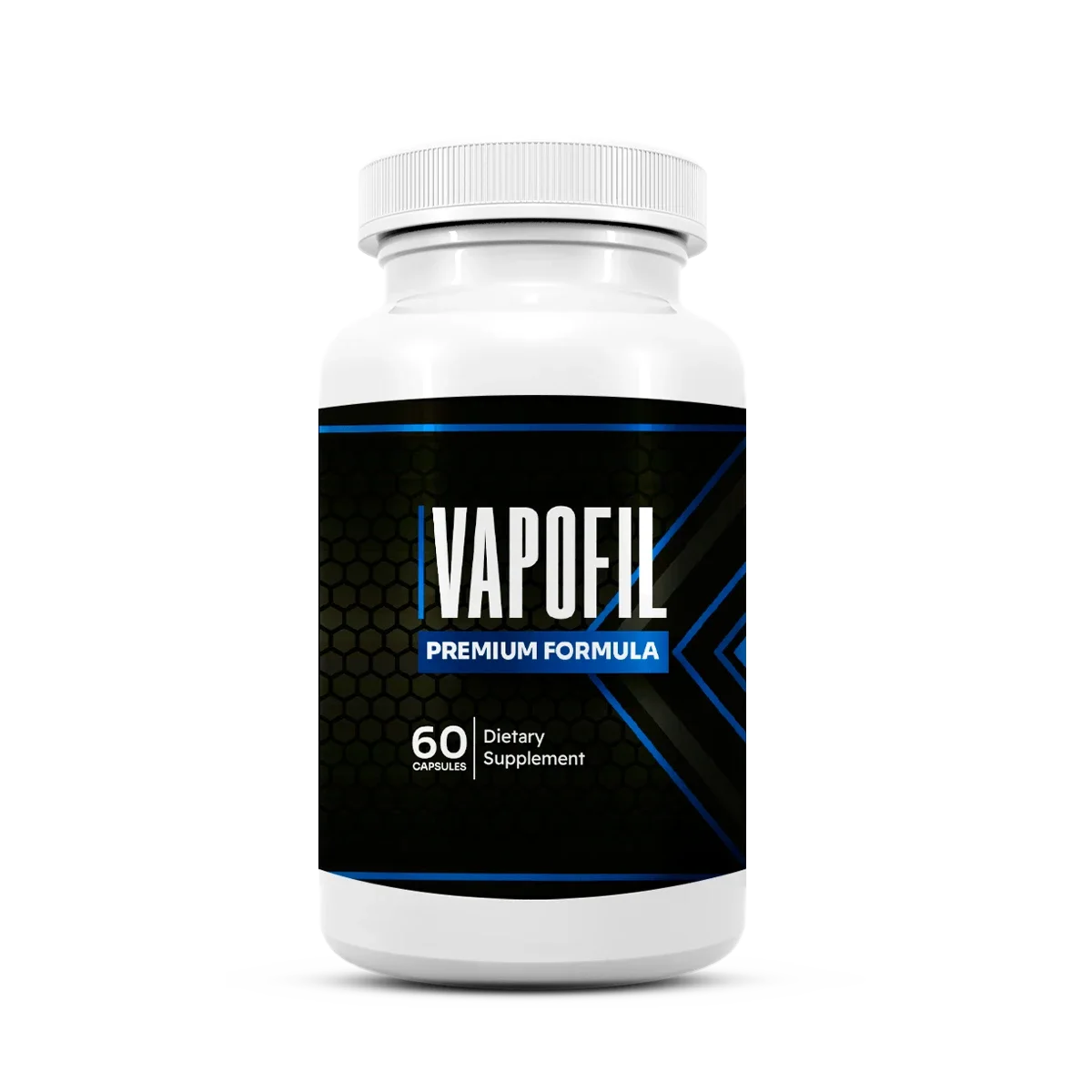
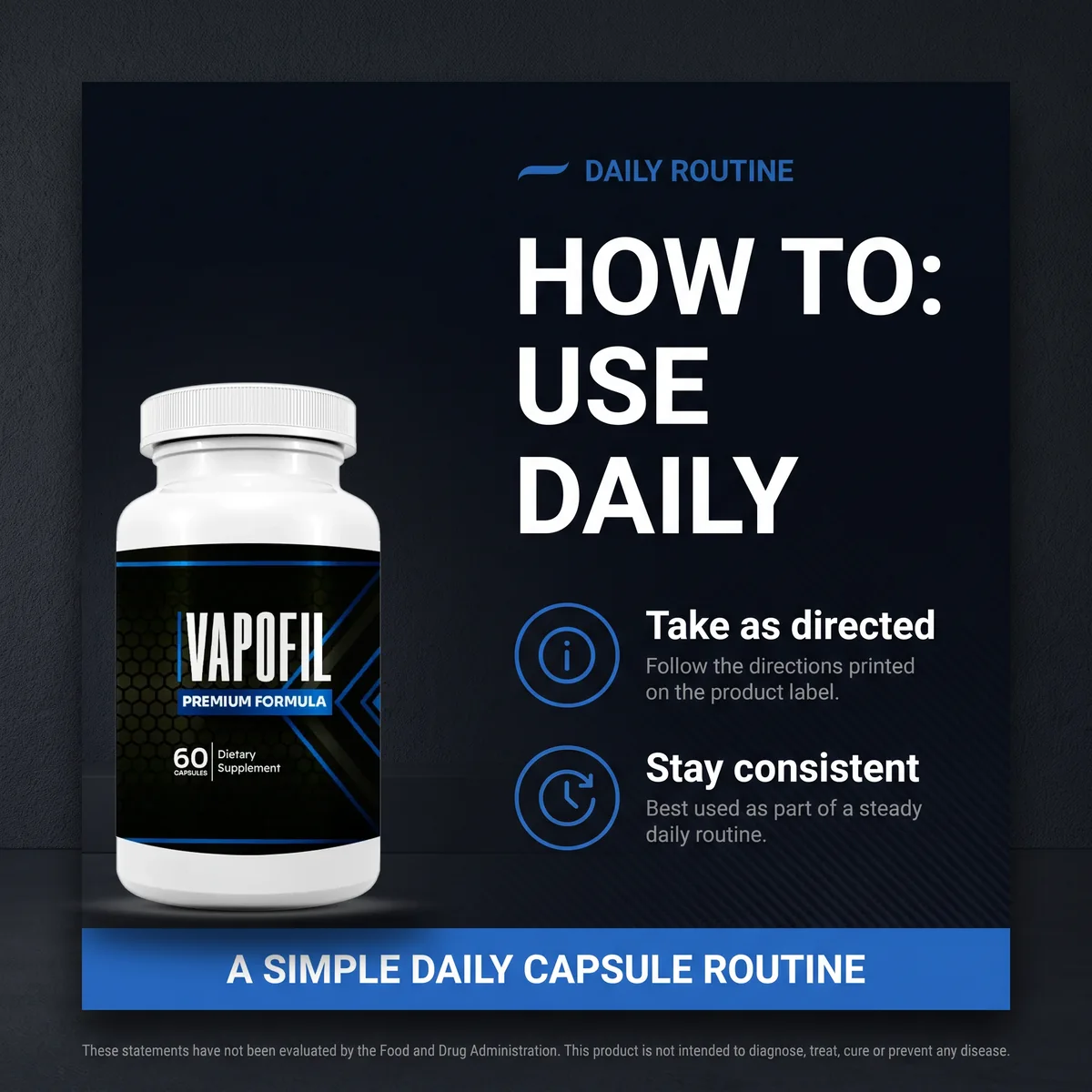
If your goal is a routine you will actually keep, a once-daily capsule is hard to beat. Vapofil is a pre-dosed, sugar-free capsule made in an FDA-registered, GMP-certified U.S. facility and backed by a 60-day money-back guarantee.
View Vapofil PackagesLozenges: slow release and throat comfort
Lozenges occupy a nice middle ground. They dissolve slowly, delivering a gradual release and a comforting feel right where the throat wants it. That local, soothing sensation is their signature strength, and it is why people keep a tin handy for dry, dusty or talkative days.
But lozenges are not built for delivering a full daily formula at a precise dose. The amount of active you receive depends on how long you keep one in your mouth, and, like syrups, many are sweetened. Think of lozenges as a pleasant complement to a daily routine — occasional comfort — rather than the foundation of it.
Lozenges at a glance
- ✓ Pros — slow release, soothing throat feel, convenient for occasional use.
- ✓ Cons — imprecise dosing, often sugary, not suited to a full daily formula.
Head-to-head: how the three compare
Line them up against the criteria that decide real-world use and a pattern emerges.
- ✓ Dosing accuracy — capsules win; syrups and lozenges vary.
- ✓ Convenience & travel — capsules win; syrups are the least portable.
- ✓ Soothing sensation — syrups and lozenges win; capsules are neutral.
- ✓ Sugar-free — capsules win; syrups and lozenges often contain sugar.
- ✓ Shelf life — capsules win; opened syrups expire faster.
- ✓ Daily consistency — capsules win for most people.
The takeaway is not that syrups and lozenges are bad — they are genuinely useful for soothing, for kids, and for anyone who cannot swallow pills. It is that for a precise, sugar-free, everyday routine, the humble capsule quietly outperforms.
What about tablets, gummies and powders?
Capsules, syrups and lozenges are the big three, but you will meet a few other formats worth a quick word. Tablets behave much like capsules — pre-dosed, sugar-free and shelf-stable — though some people find them harder to swallow and they can include more binders. Gummies have exploded in popularity because they are pleasant to take, which genuinely helps consistency; the catch is that they almost always contain added sugar and often hold smaller amounts of active ingredient per serving, so read the panel carefully. Powders offer flexibility — you can adjust the amount and mix them into a drink — but they demand measuring, they are the least portable, and taste can be a hurdle. None of these is wrong; they simply sit at different points on the same trade-off between convenience, precise dosing and how enjoyable the format is to take. The right answer is still the one you will reach for every day without thinking about it.
How to choose the right format for you
Match the format to the person. If you want the simplest reliable daily habit, choose capsules. If you or a family member cannot swallow pills, a syrup may be the practical answer — just check the sugar and measure carefully. If you mainly want occasional throat comfort, keep lozenges on hand alongside your routine. And whatever the format, the ingredient quality still rules: read our companion guide to the best ingredients to look for in a lung and breathing support supplement so the formula inside your chosen format is worth taking.
Where Vapofil fits
Vapofil is a once-daily capsule — the format built for consistency — with a transparent label you can read in full on the Vapofil homepage. It is sugar-free, made in the USA in an FDA-registered, GMP-certified facility, and backed by a 60-day money-back guarantee, so building a steady routine is low-risk. If you like the idea of a straightforward daily capsule you can actually keep up with, it is an easy option to start with.
Explore Vapofil Packages & Pricing →
FAQ
Are capsules or syrups better for respiratory support?
It depends on your goal. Capsules are pre-dosed, convenient and easy to keep as a daily habit, with no sugar and a long shelf life. Syrups can feel soothing in the moment and suit people who dislike swallowing pills, but they often contain sugar and are easier to over- or under-dose. For a steady, everyday routine most people find a once-daily capsule simplest.
What are lozenges best for?
Lozenges provide a slow release and a soothing feel in the throat, which some people like for occasional comfort. They are less suited to precise daily dosing of a full formula and can add sugar, so they tend to complement a daily routine rather than form its backbone.
Which format helps consistency the most?
Whatever you will actually take every day. In practice, a pre-dosed once-daily capsule tends to win on consistency because it requires no measuring, travels well and is easy to anchor to an existing habit.
Do syrups and lozenges contain sugar?
Many do, since sugar or sweeteners improve taste and texture. If you are watching sugar intake, check the label — this is one area where capsules have a clear advantage because they are typically sugar-free.
References
1. U.S. Food & Drug Administration — Dietary Supplements: What You Need to Know. fda.gov/food/dietary-supplements
2. National Institutes of Health, Office of Dietary Supplements — Dietary Supplement Fact Sheets. ods.od.nih.gov/factsheets
3. U.S. Food & Drug Administration — How to Understand and Use the Nutrition Facts & Supplement Facts Labels. fda.gov/food/nutrition-facts-label
4. MedlinePlus (U.S. National Library of Medicine) — general information on dietary supplements. medlineplus.gov/dietarysupplements
† These statements have not been evaluated by the FDA. This product is not intended to diagnose, treat, cure or prevent any disease. This article is for general information only and is not medical advice.