How to Choose a Respiratory Support Supplement: A 2026 Buyer’s Guide
| First check | A fully transparent Supplement Facts panel — every ingredient and exact dose, no proprietary blends. |
| Then check | Ingredient forms and extract ratios, an FDA-registered & GMP-certified facility, and honest, non-disease wording. |
| Red flags | “Cure” language, hidden doses, no quality standard, and promises of dramatic overnight change. |
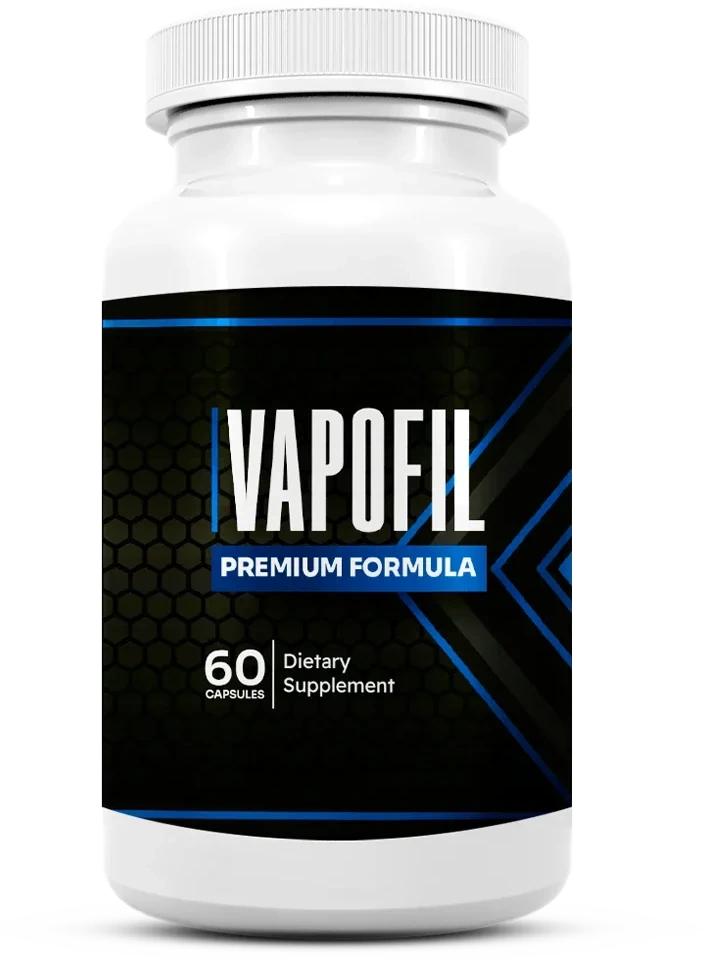
Search for a respiratory support supplement and you will meet a wall of near-identical bottles, each promising “clear, easy breathing” in confident type. The hard part is not finding one — it is telling a genuinely well-built daily capsule apart from a marketing exercise. This guide walks through how to choose a respiratory support supplement the way a careful shopper would: label first, hype last. None of this is medical advice; it is a general framework for reading products in this category, and for understanding where a daily botanical option like Vapofil fits.
By the end you will have a repeatable checklist you can apply to any bottle — on a shelf or in a browser tab — so the decision comes down to facts you can actually verify rather than the size of the headline.
Start with what “respiratory support” actually means
The phrase gets used loosely, so it helps to be precise. In the dietary-supplement world, respiratory support describes products traditionally used to complement normal, everyday breathing wellness as part of a healthy lifestyle — think of the ordinary demands of morning air, city days, seasonal changes and dusty environments. These products are foods, not medicines. That distinction is not a technicality; it shapes everything about how you should read the label.
A supplement in this space is not designed to diagnose, treat, cure or prevent any disease. If you are managing a diagnosed respiratory condition, that is a conversation for your doctor, and no capsule replaces it. What a good daily formula can reasonably offer is a simple, consistent habit built around ingredients with a long history of traditional use — which is exactly the frame you should keep in mind while comparing bottles.
How to choose a respiratory support supplement: the 6-point label check
Every recommendation below comes back to one idea: the label should tell you the truth without you having to email the company. Here is the checklist, in the order that matters.
1. Transparency: does it show every ingredient and dose?
The single most important thing on the bottle is a complete Supplement Facts panel that lists each active ingredient with its exact amount. When a brand hides amounts inside a “proprietary blend,” you cannot tell whether the useful ingredients are present in meaningful quantities or just sprinkled in for the label. Transparency is not a nice-to-have; it is the price of entry. If you cannot see the doses, you cannot compare products — so move on.
2. Ingredient form and extract ratio, not just milligrams
A big milligram number looks impressive but means little on its own. What matters is the form of the ingredient and, for botanicals, the extract ratio. A concentrated extract labelled “10:1” means roughly ten parts of raw herb were reduced into one part of finished extract, so a small milligram figure can represent far more raw plant than the number suggests. Standardised extracts and well-absorbed mineral forms (for example, chelated minerals) generally tell you a formulator thought about quality, not just cost. Learn to read the ratio and the form and you instantly see past the milligram theatre.
3. A sensible, once-a-day routine
The best supplement is the one you will actually keep taking. A formula that asks for a fistful of pills at three separate times of day is fighting human nature. For everyday respiratory wellness, a simple once-daily capsule that you can anchor to an existing habit — morning coffee, brushing your teeth — wins on consistency, and consistency is where botanicals earn their keep.
4. A manufacturing standard you can name
Look for a product made in an FDA-registered facility that is GMP-certified (Good Manufacturing Practices). “FDA-registered facility” refers to the facility, not FDA approval of the product — an honest brand will say so. Made-in-USA sourcing, third-party-friendly quality seals, and allergen statements (gluten-free, dairy-free, non-GMO) round out the picture. These are the boring details that separate a serious operation from a drop-shipped label.
See how Vapofil measures up
Vapofil is a once-daily capsule made in the USA in an FDA-registered, GMP-certified facility, with a fully transparent label and a 60-day money-back guarantee — exactly the checks this guide argues for.
View Vapofil Packages5. Honest, compliant wording
Read the claims like a skeptic. Compliant products describe traditional or general use (“traditionally used to support everyday respiratory comfort”) and carry the standard disclaimer that statements have not been evaluated by the FDA. Products that promise to “cure,” “treat” or “eliminate” a named disease are waving a red flag, not a feature. Confidence is fine; medical promises are not.
6. A real guarantee and a real company
A genuine money-back guarantee (30 to 60 days is common) signals a company that expects you to stay. So does a findable business address, a working contact email, and clear return terms. If the only way to reach the seller is a checkout button, treat that as information.
Match the format to your life
Respiratory-support products come in several formats, and the “best” one is the one that fits your day. Capsules are pre-dosed, travel well and make a daily habit effortless. Syrups and lozenges can feel soothing in the moment but are easier to forget and harder to dose precisely. Powders offer flexibility at the cost of convenience. If your goal is a steady, everyday routine, a once-daily capsule is usually the path of least resistance — we compare the formats in depth in our guide to capsules vs syrups vs lozenges for respiratory support.
Understand the ingredients before you compare prices
It is tempting to sort bottles by price, but two products at the same price can be worlds apart in what they actually deliver. Before you weigh cost, learn what the common ingredients in this category are traditionally used for — from botanicals to vitamins and minerals — so you can judge whether a formula is thoughtfully built. Our companion article on the best ingredients to look for in a lung and breathing support supplement breaks these down in plain English, and if you have seen two names debated everywhere, our NAC vs quercetin comparison explains how those two differ.
Then, and only then, compare value
Once two products both pass the label check, price becomes a fair tiebreaker. Compare cost per day, not just the sticker on the bottle: a larger multi-bottle package usually lowers the daily cost and removes the friction of re-ordering, which quietly protects your consistency. Because botanicals are traditionally used over weeks, most people find a 3- or 6-bottle supply is both better value and better for building the habit. Free shipping and a bonus guide are pleasant extras — not reasons to overlook a weak label.
A quick word on expectations and safety
Set realistic expectations. A daily respiratory-support supplement is a complement to fresh air, hydration, sensible activity and, where relevant, professional care — not a substitute for any of them. Give any new routine a fair run of several weeks, since botanicals are traditionally used consistently rather than as a one-off. And check in with your physician before starting if you are under 18, pregnant or nursing, take medication, or have a health condition. If a product ever promises a guaranteed, dramatic, overnight change, that is your cue to keep looking.
Where Vapofil fits
Vapofil is built around the same principles this guide recommends: a simple once-daily capsule, a transparent label you can read in full on the product page, manufacturing in an FDA-registered and GMP-certified U.S. facility, and a 60-day money-back guarantee so trying it is low-risk. It is positioned as an everyday option for people who want a straightforward respiratory-support habit — not a miracle, just a consistent routine you can actually keep. Apply the six-point check to Vapofil and to any bottle you are considering, and let the labels do the talking.
Explore Vapofil Packages & Pricing →
FAQ
What should I look for first when choosing a respiratory support supplement?
Start with a fully transparent Supplement Facts panel that lists every ingredient and its exact dose — no proprietary blends. Then check the ingredient forms and extract ratios, confirm it is made in an FDA-registered, GMP-certified facility, and make sure the marketing describes general or traditional use rather than promising to cure a disease.
Are capsules better than syrups for daily respiratory support?
Neither is universally better. Capsules are convenient, pre-dosed and easy to keep as a daily habit, while syrups and lozenges can feel more soothing in the moment. For a steady, everyday routine most people find a once-daily capsule the easiest to stay consistent with. Our format comparison covers the trade-offs.
How long should I try a respiratory support supplement before judging it?
Dietary-supplement botanicals are traditionally used consistently rather than as a one-off, so give a daily routine a fair run of several weeks. Individual results vary, and a supplement is meant to complement — not replace — healthy habits and medical care.
What is a red flag on a respiratory supplement label?
Be wary of products that promise to cure, treat or prevent a specific disease, hide doses inside a proprietary blend, name no manufacturing standard, or claim dramatic overnight results. Honest labels describe traditional or general use and carry the standard FDA disclaimer.
Is a bigger multi-bottle package really better value?
Usually, yes — compare cost per day rather than the sticker price. A larger supply lowers the daily cost and removes the friction of re-ordering, which helps consistency. Because botanicals build with steady use, many people choose a 3- or 6-bottle supply.
References
1. U.S. Food & Drug Administration — Dietary Supplements: What You Need to Know. fda.gov/food/dietary-supplements
2. National Institutes of Health, Office of Dietary Supplements — Dietary Supplement Fact Sheets. ods.od.nih.gov/factsheets
3. U.S. Food & Drug Administration — Current Good Manufacturing Practices (CGMPs) for Dietary Supplements. fda.gov (CGMPs)
4. Federal Trade Commission — Health Products Compliance Guidance. ftc.gov (health products)
† These statements have not been evaluated by the FDA. This product is not intended to diagnose, treat, cure or prevent any disease. This article is for general information only and is not medical advice.