NAC vs Quercetin for Respiratory Support: How the Two Compare
| NAC | A form of the amino acid cysteine; a glutathione precursor traditionally linked with normal mucus consistency and antioxidant support. |
| Quercetin | A plant flavonoid (onions, apples, capers); an antioxidant traditionally linked with a balanced seasonal response. |
| Verdict | Different compounds, different jobs — often used together rather than either/or. |
If you have spent any time reading respiratory-support labels, two names keep coming up: NAC and quercetin. They are frequently mentioned in the same breath, sometimes as rivals and sometimes as a duo, which leaves a lot of shoppers wondering whether they need one, the other, or both. This guide settles the NAC vs quercetin for respiratory support question in plain English — what each one actually is, how they differ, why formulas so often pair them, and how to decide what matters for a daily breathing-wellness routine. As always, this is general information, not medical advice.
What is NAC?
NAC stands for N-acetyl cysteine, a stabilised form of the amino acid cysteine. Its claim to fame is that the body uses it as a building block — a precursor — to make glutathione, one of the body’s own antioxidant molecules. In the supplement world, NAC is traditionally associated with supporting normal, healthy mucus consistency and with antioxidant status via that glutathione pathway. Because it is a single, well-defined compound rather than a plant extract, NAC labels are usually straightforward: you will see a milligram amount and not much guesswork about “ratios.”
People tend to reach for NAC when their interest is the antioxidant and normal-mucus angle of everyday respiratory wellness. It is a mainstay of the category precisely because it is so well characterised.
What is quercetin?
Quercetin is a flavonoid — a naturally colourful plant compound found in everyday foods such as onions, apples, berries and capers. It is prized as a dietary antioxidant, and in supplement form it is traditionally linked with a balanced seasonal response and general immune and respiratory comfort as part of a healthy lifestyle. Because quercetin on its own is not always easy for the body to absorb, you will sometimes see it paired with other ingredients (for example, bromelain or vitamin C) or offered in enhanced-absorption forms — a detail worth noting when you compare labels.
Where NAC is an amino-acid derivative, quercetin is a plant flavonoid. That single distinction — different type of molecule, different traditional use — is the heart of the comparison.
NAC vs quercetin: the head-to-head
Here is how the two line up across the things shoppers actually care about.
Type of compound
NAC is an amino-acid derivative (a form of cysteine). Quercetin is a plant flavonoid. This is not trivia — it is why they behave differently in the body and why they are used for different reasons.
Traditional role
NAC leans toward the antioxidant-and-normal-mucus side of respiratory wellness through its role as a glutathione precursor. Quercetin leans toward the antioxidant-and-seasonal-comfort side. There is overlap on antioxidant support, but their reputations point in slightly different directions.
Absorption notes
NAC is generally well absorbed as-is. Quercetin can be less bioavailable on its own, which is why thoughtful formulas pair it with absorption helpers or use enhanced forms. When comparing quercetin products, the form matters as much as the milligram number.
Label simplicity
Both are typically shown as a clear milligram amount. Neither should be hidden inside a proprietary blend — if it is, that is a reason to look elsewhere, a point we make in our broader guide to how to choose a respiratory support supplement.
Prefer a done-for-you daily routine?
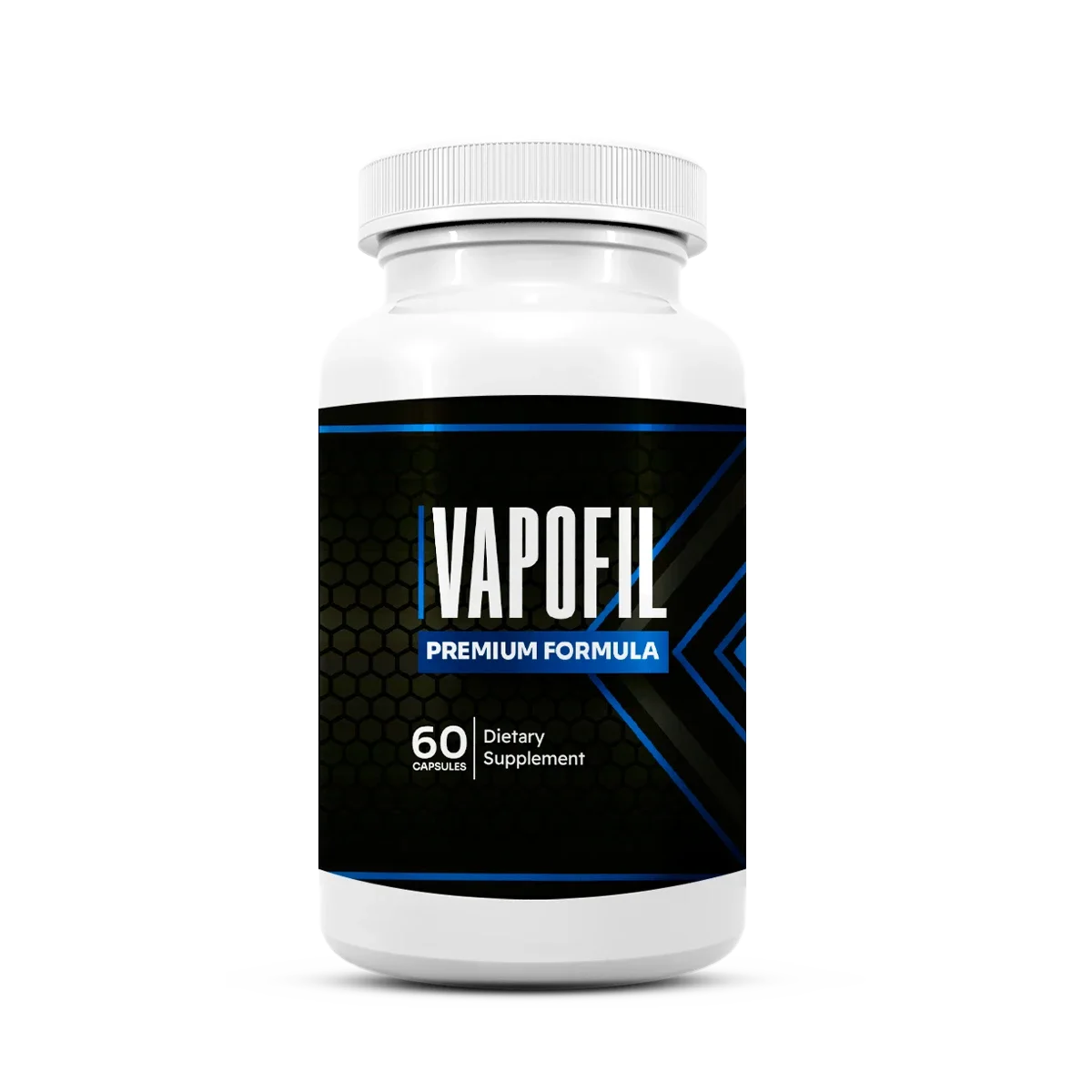
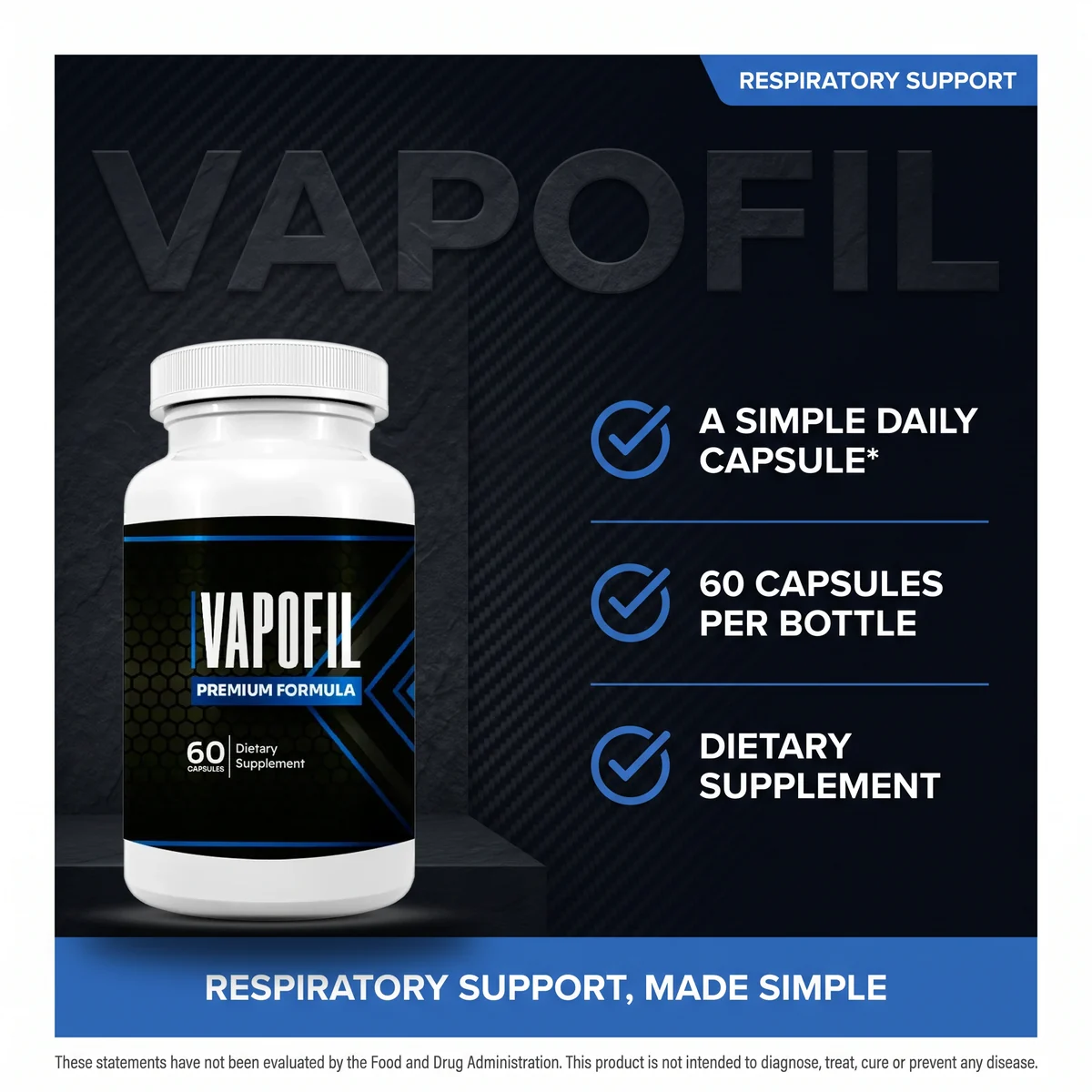
Comparing single ingredients is useful — but many people simply want one transparent, once-daily capsule they can stick with. See how Vapofil is put together, made in an FDA-registered, GMP-certified U.S. facility and backed by a 60-day guarantee.
View Vapofil PackagesDo you have to choose? Why formulas often use both
Here is the part that surprises people: NAC vs quercetin is often a false choice. Because the two are different types of compound used for complementary reasons, many respiratory- and seasonal-support formulas simply include both, sometimes alongside vitamin C, zinc or bromelain. The logic mirrors the way men’s and women’s wellness blends pair complementary botanicals rather than betting everything on one hero ingredient — a formulation philosophy we describe in our rundown of the best ingredients to look for in a lung and breathing support supplement.
If you are building a routine ingredient by ingredient, you might well take both. If you would rather not manage a shelf of single-ingredient bottles, a well-designed multi-ingredient capsule can cover the ground in one step.
Sensible dosing and safety considerations
Whichever way you lean, a few principles apply. Follow the label and do not exceed the recommended amount — more is not better. Give any new routine a fair, consistent run rather than judging it after a day or two. And because NAC and quercetin can interact with certain medications and conditions, talk to your physician before starting if you take prescription drugs, are pregnant or nursing, are under 18, or manage a health condition. These are dietary-supplement ingredients traditionally used to complement a healthy lifestyle — they are not a treatment for any disease, and they do not replace medical care.
Reading the amounts on the label
Because both are single, well-defined compounds, comparing them across products is refreshingly simple: look at the milligram amount stated on the Supplement Facts panel and make sure it is not buried in a proprietary blend. With quercetin, remember to weigh the form too — a smaller amount in a well-absorbed or synergist-paired form can be more useful than a bigger number of plain quercetin your body struggles to take up. With NAC, the figure on the label is usually a straightforward guide. A tidy way to think about it: NAC rewards you for the amount, while quercetin rewards you for the amount and the delivery. Either way, the honest labels make these numbers easy to find — and if a product hides them, that alone is enough reason to move on to one that respects your ability to compare.
So which should you pick?
Boil it down to your goal. If your interest is antioxidant support with a traditional nod to normal mucus consistency, NAC is the classic pick. If you care more about antioxidant support with a seasonal-comfort angle, quercetin is the natural choice — ideally in a well-absorbed form. And if you want both bases covered with the least fuss, look for a transparent formula that includes them (or the broader set of category ingredients) in sensible amounts, and commit to taking it consistently. Whatever you choose, buy based on the actual label, not the headline — and if you are weighing formats too, our guide to capsules vs syrups vs lozenges will help. You can review how Vapofil approaches a simple daily routine on the Vapofil homepage.
Explore Vapofil Packages & Pricing →
FAQ
What is the difference between NAC and quercetin?
NAC (N-acetyl cysteine) is a form of the amino acid cysteine and a precursor the body uses to make glutathione, traditionally associated with normal mucus consistency and antioxidant support. Quercetin is a plant flavonoid found in foods like onions and apples, valued as an antioxidant and traditionally linked with a balanced seasonal response. They are different types of compound used for different reasons.
Can you take NAC and quercetin together?
They are different compounds and are commonly included together in respiratory or seasonal-support formulas because they are used for complementary reasons. As with any combination, follow the label, do not exceed recommended amounts, and check with your physician if you take medication or have a health condition.
Which is better for respiratory support, NAC or quercetin?
Neither is universally better — they do different jobs. NAC is often chosen for its traditional association with normal mucus and antioxidant support via glutathione, while quercetin is often chosen for antioxidant and seasonal-comfort reasons. Many formulas simply include both.
Does quercetin need something to help absorption?
Quercetin on its own can be less bioavailable, which is why formulas sometimes pair it with ingredients like bromelain or vitamin C, or use enhanced-absorption forms. When comparing quercetin products, weigh the form, not just the milligram number.
Does Vapofil contain NAC or quercetin?
This article compares NAC and quercetin as ingredients in the respiratory-support category generally. For the exact contents of Vapofil, read the full Supplement Facts panel on the product page — always buy based on the actual label rather than an assumption.
References
1. National Institutes of Health, Office of Dietary Supplements — Dietary Supplement Fact Sheets. ods.od.nih.gov/factsheets
2. U.S. National Library of Medicine, PubMed — research on acetylcysteine (NAC). pubmed.ncbi.nlm.nih.gov
3. U.S. National Library of Medicine, PubMed — research on quercetin. pubmed.ncbi.nlm.nih.gov
4. U.S. Food & Drug Administration — Dietary Supplements: What You Need to Know. fda.gov/food/dietary-supplements
† These statements have not been evaluated by the FDA. This product is not intended to diagnose, treat, cure or prevent any disease. This article is for general information only and is not medical advice.