Are Respiratory Support Supplements Safe? Side Effects, Interactions & Who Should Be Careful
| Short answer | Quality supplements taken as directed are generally well tolerated by healthy adults — but “generally safe” is not “right for everyone.” |
| Watch for | Mild digestive effects, individual sensitivities, and interactions with medication (especially blood thinners). |
| Golden rule | Follow the label, don’t exceed the amount, and check with your physician if you take medication or have a condition. |
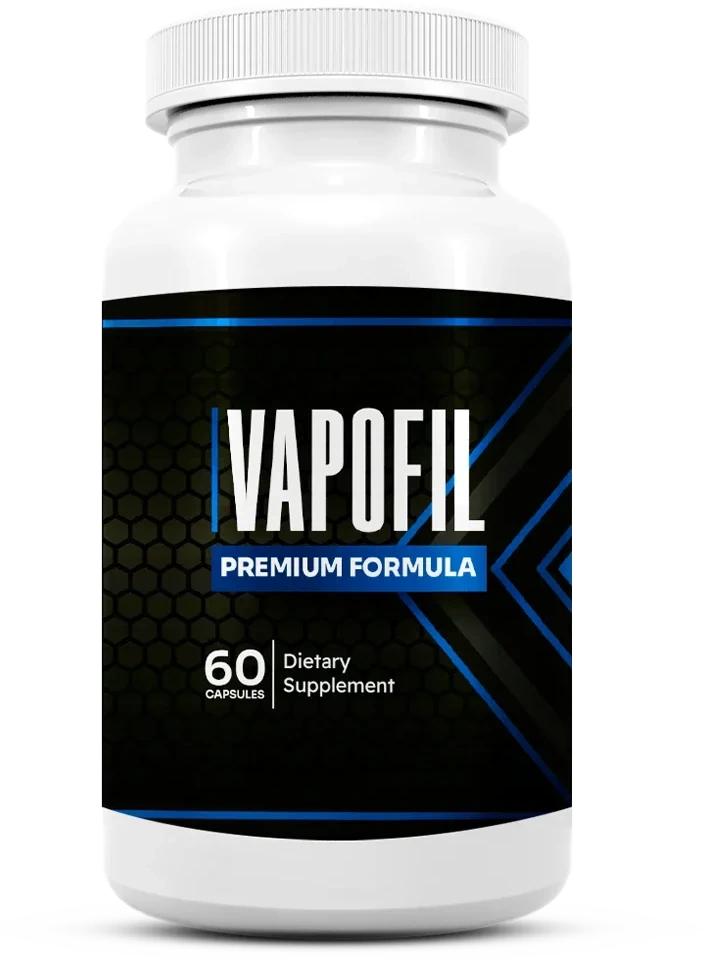
Before buying anything you plan to take every day, it is smart to ask: are respiratory support supplements safe? It is a responsible question, and the honest answer has nuance. Quality dietary supplements taken as directed are generally well tolerated by healthy adults — but “generally safe” is not the same as “right for everyone.” In this guide we cover the common side effects, the interactions worth knowing about, how quality seals relate to safety, and who should check with a doctor first. This is general information about traditional and dietary-supplement use, not medical advice.
What “safe” really means for a supplement
Safety is not a single yes/no property of a product — it depends on four things working together: the ingredients and their amounts, the quality of manufacturing, whether you follow the label, and your own health and medications. A well-formulated respiratory capsule made under strict quality standards can be an easy fit for one healthy adult and still be worth a doctor’s conversation for another person on medication. Judging safety honestly means holding all four factors in view rather than looking for a blanket verdict.
It also helps to remember what these products are. Respiratory support supplements are dietary supplements traditionally used to complement a healthy lifestyle — they are not medicines, and they are not intended to diagnose, treat, cure or prevent any disease. Keeping that framing makes both the benefits and the risks easier to weigh sensibly.
Common side effects to be aware of
For most healthy adults, quality supplements taken as directed cause few problems. When effects do occur, they tend to be mild.
Digestive effects
The most commonly reported issue is a mild upset stomach, especially when a capsule is taken on an empty stomach. Taking it with food often solves this — one reason many labels suggest a meal, as we discuss in our guide to the best time to take a respiratory support supplement.
Individual sensitivities
Botanicals are natural but not automatically problem-free — some people are simply sensitive to a particular herb or ingredient. If you have known allergies, read the full ingredient list and any allergen statements carefully before you start.
When to stop
If you experience an adverse reaction, stop use and consult a professional. And never try to speed up results by exceeding the recommended amount — more is not better, and the label amount is the amount.
Interactions: the most important safety topic
If there is one part of this article to take seriously, it is interactions. Some supplement ingredients can affect how medications work. A few examples worth knowing:
Blood thinners
Proteolytic enzymes such as bromelain and serrapeptase, and certain botanicals, may interact with blood-thinning medication and can be relevant around surgery. We cover those enzymes in our bromelain vs serrapeptase comparison — but the practical point is simple: if you take a blood thinner, talk to your physician first.
Other medications and conditions
Various ingredients can interact with medications for blood pressure, blood sugar, the immune system and more. If you manage any health condition or take any prescription drug, a quick conversation with your doctor or pharmacist is the responsible step.
Doubling up across products
Taking several supplements at once can mean unintentionally doubling a single ingredient. Read every label so you know the total you are taking of anything that appears in more than one product.
Quality you can verify
Safety starts with how a product is made. See how Vapofil is produced — a simple daily capsule made in the USA in an FDA-registered, GMP-certified facility, with a transparent label and a 60-day guarantee.
View Vapofil PackagesHow quality seals relate to safety
Manufacturing quality is a real part of safety, and this is where seals help. GMP (Good Manufacturing Practice) certification and production in an FDA-registered facility indicate that a product is made under controlled quality standards — consistent processes, documented procedures, and testing designed to ensure what is on the label is what is in the bottle. Made-in-USA manufacturing and third-party testing add further reassurance.
An important nuance: these seals speak to how a product is made, not to any health outcome. The FDA does not approve dietary supplements the way it approves drugs, and no seal evaluates a product’s effects. Still, choosing a supplement made under strong quality standards is one of the most practical things you can do to shop safely — a theme we return to in our guide to how to choose a respiratory support supplement.
How to shop safely: a short checklist
Most of the safety you can control happens before you ever open the bottle — at the point of choosing a product. A few habits stack the odds in your favour:
Read the full Supplement Facts panel
Look for named ingredients with clear amounts rather than a nameless “proprietary blend,” and scan the “other ingredients” line and any allergen statement. You cannot judge whether something is right for you if you cannot see what is in it.
Favour transparent, quality-made products
Manufacturing in a GMP-certified, FDA-registered facility and, ideally, third-party testing are practical signals that the contents match the label. Combined with a clear ingredient panel, they are the closest thing to a safety head-start a shopper has.
Buy from the official channel
Counterfeit or expired stock is a real risk on unofficial marketplaces, and a mislabelled or degraded product is a safety issue as much as a value one. Buying through the official site protects both authenticity and any guarantee, a point we cover in our guide to where to buy respiratory support supplements.
Introduce one thing at a time
Starting a single new supplement on its own — rather than three at once — means that if anything does not agree with you, you will know exactly what to stop. It also keeps any conversation with your doctor simple and specific.
Who should be careful — and talk to a doctor first
Some people should always get personalised advice before starting a new supplement. As a general rule, that includes anyone who is pregnant or nursing, under 18, scheduled for surgery, taking blood thinners or other medication, or managing a health condition. This is not a reason for alarm — it is simply the sensible standard for any product you take daily. When in doubt, ask a professional rather than guessing; a two-minute conversation with your doctor or pharmacist settles most questions, and it is especially worth doing if you plan to combine a new supplement with anything you already take.
The bottom line
Are respiratory support supplements safe? For most healthy adults, a quality product taken as directed is generally well tolerated — but safety always depends on the ingredients, the manufacturing, your adherence to the label, and your personal health and medications. Choose a transparent formula made under GMP standards, follow the label, never exceed the amount, and check with your physician if any of the “be careful” situations apply to you. You can review how Vapofil approaches quality and a simple daily routine on the Vapofil homepage.
Explore Vapofil Packages & Pricing →
FAQ
Are respiratory support supplements safe to take?
Quality dietary supplements taken as directed are generally well tolerated by healthy adults, but “generally safe” is not the same as “right for everyone.” Safety depends on the ingredients, the quality of manufacturing, whether you follow the label, and your own health and medications. This is general information, not medical advice, and you should speak with your physician about your situation.
What side effects can respiratory support supplements have?
The most commonly reported effects are mild and digestive — such as an upset stomach — often reduced by taking the capsule with food. Some botanicals can cause individual sensitivities. Stop use and consult a professional if you have an adverse reaction, and never exceed the recommended amount on the label.
Can supplements interact with my medication?
Yes. Some ingredients — for example proteolytic enzymes and certain botanicals — can interact with blood thinners and other medications. If you take any prescription drug, are pregnant or nursing, are under 18, or have a health condition, check with your physician before starting a new supplement.
How do quality seals like GMP and FDA-registered relate to safety?
GMP (Good Manufacturing Practice) certification and manufacturing in an FDA-registered facility indicate the product is made under controlled quality standards. They do not evaluate the product’s effects, but they are meaningful signals that what is on the label is what is in the bottle.
Who should avoid respiratory support supplements?
As a general rule, anyone who is pregnant or nursing, under 18, scheduled for surgery, taking blood thinners or other medications, or managing a health condition should talk to a physician before starting. When in doubt, get personalised advice rather than guessing.
References
1. U.S. Food & Drug Administration — Dietary Supplements: What You Need to Know. fda.gov/food/dietary-supplements
2. National Institutes of Health, Office of Dietary Supplements — Dietary Supplement Fact Sheets. ods.od.nih.gov/factsheets
3. U.S. National Library of Medicine, MedlinePlus — Dietary Supplements and Safety. medlineplus.gov
4. Federal Trade Commission — Health Products Compliance Guidance. ftc.gov
† These statements have not been evaluated by the FDA. This product is not intended to diagnose, treat, cure or prevent any disease. This article is for general information only and is not medical advice.