Best Time to Take a Respiratory Support Supplement: Morning or Night, With or Without Food?
| Best time | The time you will actually remember every day — for most once-daily capsules, morning with breakfast. |
| With food? | Follow the label. Many multi-ingredient capsules are suggested with a meal for comfort and absorption. |
| What matters most | Consistency. The exact hour is far less important than never skipping a day. |
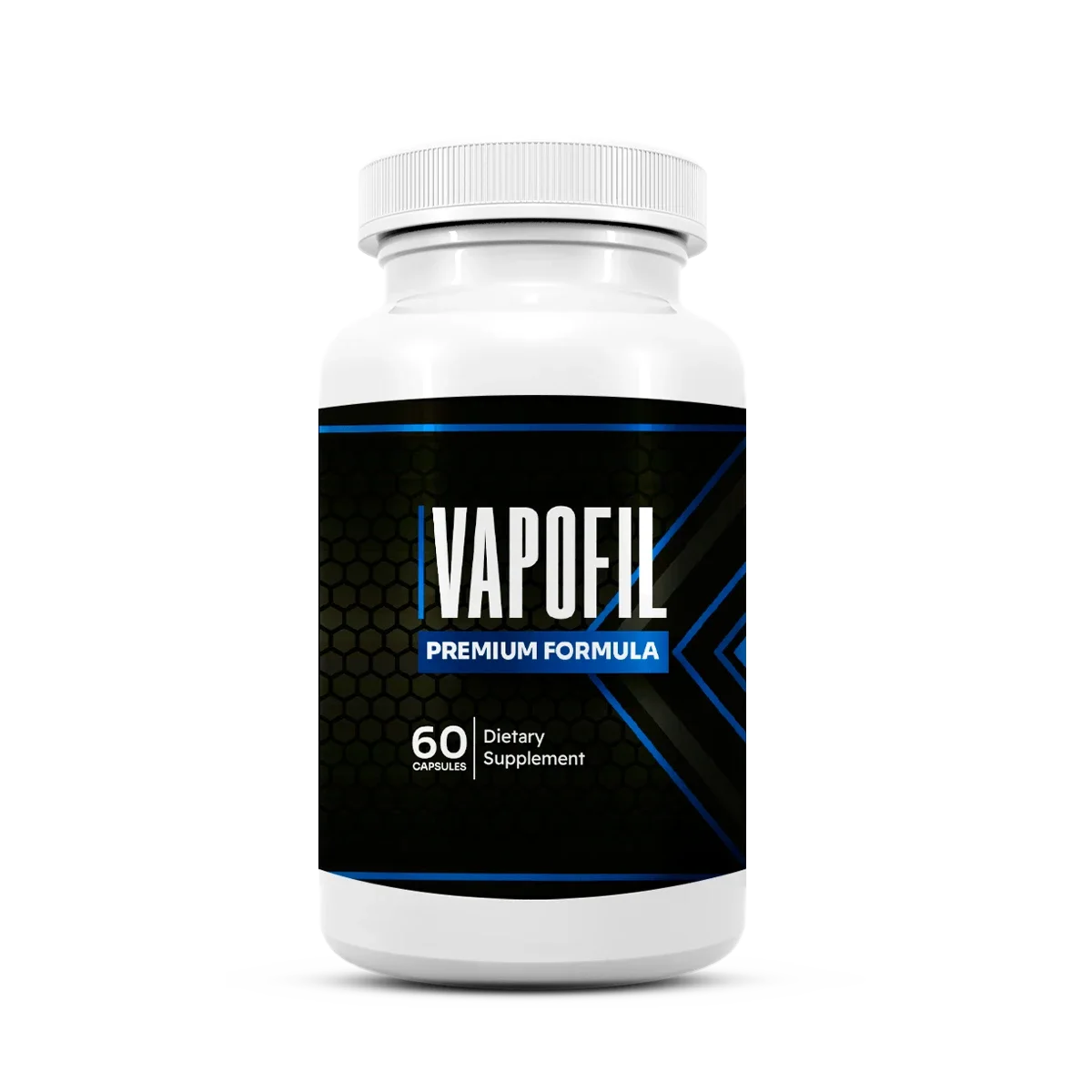
Once you have chosen a supplement, the next practical question is when to take it. The best time to take a respiratory support supplement is one of those things that sounds complicated but usually is not: for most daily formulas, the single most important factor is picking a time you will remember and sticking to it. That said, morning versus night and with-or-without food are fair questions, and the answers depend a little on your formula and a lot on your habits. This is general information about traditional and dietary-supplement use, not medical advice — always follow the timing printed on your own product’s label.
The golden rule: the best time is the time you’ll remember
Here is the honest headline. For a standard once-daily respiratory capsule, the “best” time is the one you will actually keep. A perfectly optimised 7 a.m. dose you forget four days a week is worse than a “good enough” dose attached to a habit you never miss. As we explain in our guide to how long a respiratory supplement takes to work, consistency is the factor that most affects a fair trial — so timing strategy should serve consistency first.
The easiest way to be consistent is habit-stacking: attach the capsule to something you already do every single day. Breakfast, your morning coffee, brushing your teeth, or setting out your evening meal are all reliable anchors. Keep the bottle where that habit happens — on the kitchen counter, by the coffee machine — so it is impossible to miss.
Morning vs night: does it matter?
For most everyday respiratory formulas, morning or evening is a matter of preference. But the ingredients can nudge the decision.
When morning makes sense
If a formula includes energising ingredients — cordyceps is the classic example — many people prefer the morning so it lines up with an active day. Morning also suits people who simply have a more reliable breakfast routine than dinner. We compare the energising and calming mushrooms in our cordyceps vs reishi guide.
When evening makes sense
If a formula leans toward calming ingredients — reishi, for instance — the evening can be a natural fit. Evening also works well for people whose mornings are chaotic and whose dinners are consistent. There is no universal rule here; it is about matching the routine to your day.
Split or single dose
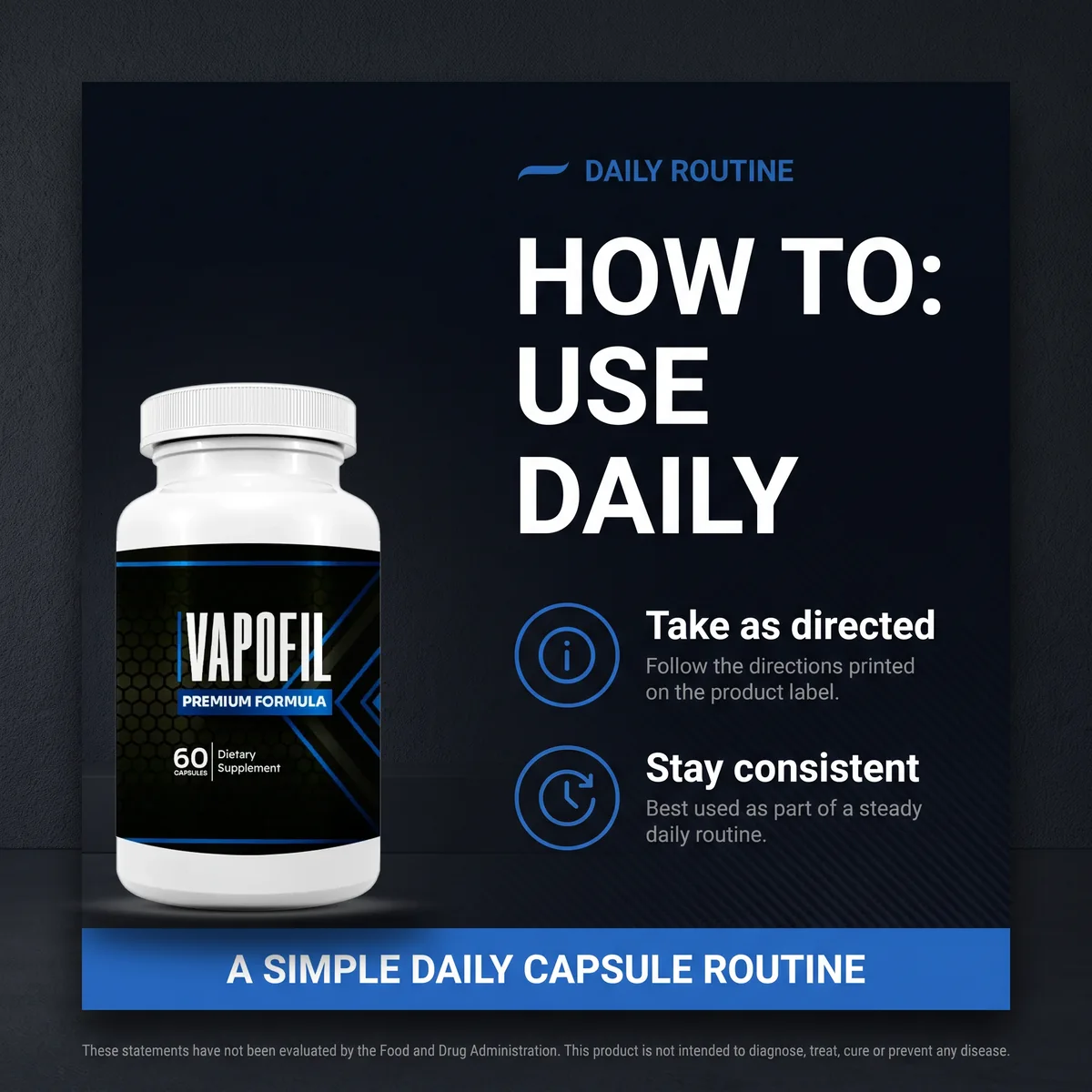
Some products are once daily and some are split across the day. Follow the label. If yours is a single daily capsule, you do not need to overthink it — pick your anchor meal and go.
With or without food?
This one has a clearer answer: read the label first. Many multi-ingredient capsules are suggested with a meal, for two practical reasons. First, taking a supplement with food is often gentler on the stomach, which matters if you are sensitive to taking capsules on an empty stomach. Second, some nutrients — particularly fat-soluble vitamins — are better absorbed alongside a little dietary fat, which a normal meal provides.
So if your label says “with food,” the simplest reliable approach is to pair the capsule with breakfast or dinner — whichever meal you never skip. A glass of water helps it go down comfortably. If the label is silent on food, taking it with a meal is still a safe, easy default.
One simple capsule, once a day
A once-daily routine is the easiest kind to keep. See how Vapofil is designed to slot into your day — a simple capsule made in an FDA-registered, GMP-certified U.S. facility and backed by a 60-day guarantee.
View Vapofil PackagesBuilding a routine that actually sticks
Timing only helps if the habit holds. A few simple tactics make consistency almost automatic:
Anchor it to an existing habit
Pick one daily event — the first coffee, breakfast, the evening meal — and always take the capsule then. The existing habit does the remembering for you.
Make it visible
Keep the bottle in plain sight at the spot where the habit happens. Out of sight really is out of mind with a daily supplement.
Never “double up” to catch up
If you miss a day, just resume the next day — do not take two to compensate. More is not better, and the label amount is the amount.
Keep enough on hand
Running out mid-trial is the most common way a routine breaks. A multi-bottle supply removes that risk and covers a full trial period — our guide to how many bottles to buy explains why a two- to three-month supply lines up so well with a fair trial.
Plan for the days that break routines
Most missed doses do not happen on ordinary days — they happen on the unusual ones: travel, an early flight, a weekend away, a hectic Monday. The fix is to plan for those days in advance rather than relying on willpower in the moment. Keep a few capsules in a small pill case in your bag or car so an out-of-the-house morning does not cost you a dose, and if your normal anchor meal disappears on a travel day, decide beforehand which replacement cue you will use. A minute of planning on a calm Sunday protects the whole routine on the chaotic days when it would otherwise slip.
Common timing mistakes to avoid
A few small habits quietly undermine an otherwise good routine. Being aware of them is usually enough to sidestep them.
Chasing the “perfect” time
It is tempting to hunt for a scientifically optimal minute of the day, but for a standard once-daily respiratory capsule the returns on that search are tiny compared with the cost of an inconsistent habit. Pick a good-enough time attached to a reliable cue and move on — the consistency is the win.
Taking it on an empty stomach when the label says otherwise
If the label suggests a meal and you take the capsule on an empty stomach, you may find it less comfortable and, for some nutrients, less well absorbed. Matching the capsule to a meal is the simplest way to honor the label without thinking about it.
Letting timing become a reason to skip
If you miss your usual window, take the capsule later that same day rather than skipping entirely (unless the label says otherwise). A slightly-off-schedule dose keeps the routine intact far better than an all-or-nothing mindset that turns one late morning into a missed day.
A note on other supplements and medications
If you take other supplements, you can often take them together — but read every label and avoid unknowingly doubling up on the same ingredient across two products. If you take prescription medication, are pregnant or nursing, are under 18, or manage a health condition, talk to your physician before adding or combining supplements, since some ingredients can interact. These are dietary-supplement products traditionally used to complement a healthy lifestyle, not to treat any condition.
The bottom line
The best time to take a respiratory support supplement is the time you will keep every day — for most once-daily capsules, morning with breakfast is a simple, reliable default. Take it with food if the label suggests it, anchor it to an existing habit, keep enough on hand to finish a fair trial, and never double up to catch up. Get those basics right and the timing takes care of itself. You can review how Vapofil approaches a simple daily routine on the Vapofil homepage.
Explore Vapofil Packages & Pricing →
FAQ
What is the best time of day to take a respiratory support supplement?
For most daily formulas, the best time is simply the time you will remember every day. Many people take a once-daily respiratory capsule in the morning with breakfast, but consistency matters far more than the exact hour. Always follow the timing and food instructions printed on your product’s label.
Should I take a respiratory supplement with or without food?
Follow the label first. Many multi-ingredient capsules are suggested with a meal, which can be gentler on the stomach and can help with fat-soluble nutrients. If your label says with food, pairing the capsule with breakfast or dinner is a simple, reliable approach.
Is it better to take it in the morning or at night?
It depends on the formula and on you. Energising ingredients like cordyceps are often taken earlier in the day, while calming ingredients like reishi suit the evening. For a standard once-daily respiratory capsule, pick the meal you never skip and attach it to that.
Does it matter if I take it at a different time each day?
A roughly consistent time helps you avoid missed doses, which is the thing that most affects a fair trial. The exact minute is far less important than not skipping days. Anchor the capsule to a daily habit so it becomes automatic.
Can I take my respiratory supplement with other supplements?
Often yes, but read every label and avoid doubling up on the same ingredient across products. If you take medication or manage a health condition, check with your physician before combining supplements, since some ingredients can interact.
References
1. National Institutes of Health, Office of Dietary Supplements — Dietary Supplement Fact Sheets. ods.od.nih.gov/factsheets
2. U.S. Food & Drug Administration — Dietary Supplements: What You Need to Know. fda.gov/food/dietary-supplements
3. U.S. National Library of Medicine, MedlinePlus — Taking Medicines and Supplements Safely. medlineplus.gov
4. National Institutes of Health, Office of Dietary Supplements — Fat-soluble vitamins overview. ods.od.nih.gov
† These statements have not been evaluated by the FDA. This product is not intended to diagnose, treat, cure or prevent any disease. This article is for general information only and is not medical advice.