How Long Does a Respiratory Support Supplement Take to Work? A Realistic Timeline
| Short answer | Think in weeks, not doses. Many people give a daily respiratory routine a fair 30–90 day trial. |
| Why | Botanicals, antioxidants and vitamins are traditionally used steadily — results build up, they don’t switch on. |
| Biggest factor | Consistency. Missed days reset the clock; a full-supply pack helps you finish the trial. |
It is one of the first questions buyers ask: how long does a respiratory support supplement take to work? It is a fair question, and the honest answer is that a daily supplement is not a fast-acting medicine — it is designed to be taken consistently over time. In this guide we set realistic expectations with a week-by-week timeline, explain what makes a routine seem to work faster or slower, and show you how to judge results fairly. This is general information about traditional and dietary-supplement use, not medical advice, and individual experiences vary.
Why supplements work on a timeline, not a switch
The single most useful mindset shift is this: a respiratory support supplement is not a light switch you flip. The botanicals, antioxidants, vitamins and minerals in these formulas are traditionally used steadily, and the benefit — where people experience one — tends to be cumulative. That is why serious labels talk about a daily routine rather than a single “take when needed” dose, and why brands so often suggest a two- or three-month supply. If you expect a dramatic first-day change, you are measuring the wrong thing and are likely to quit before a fair trial is over.
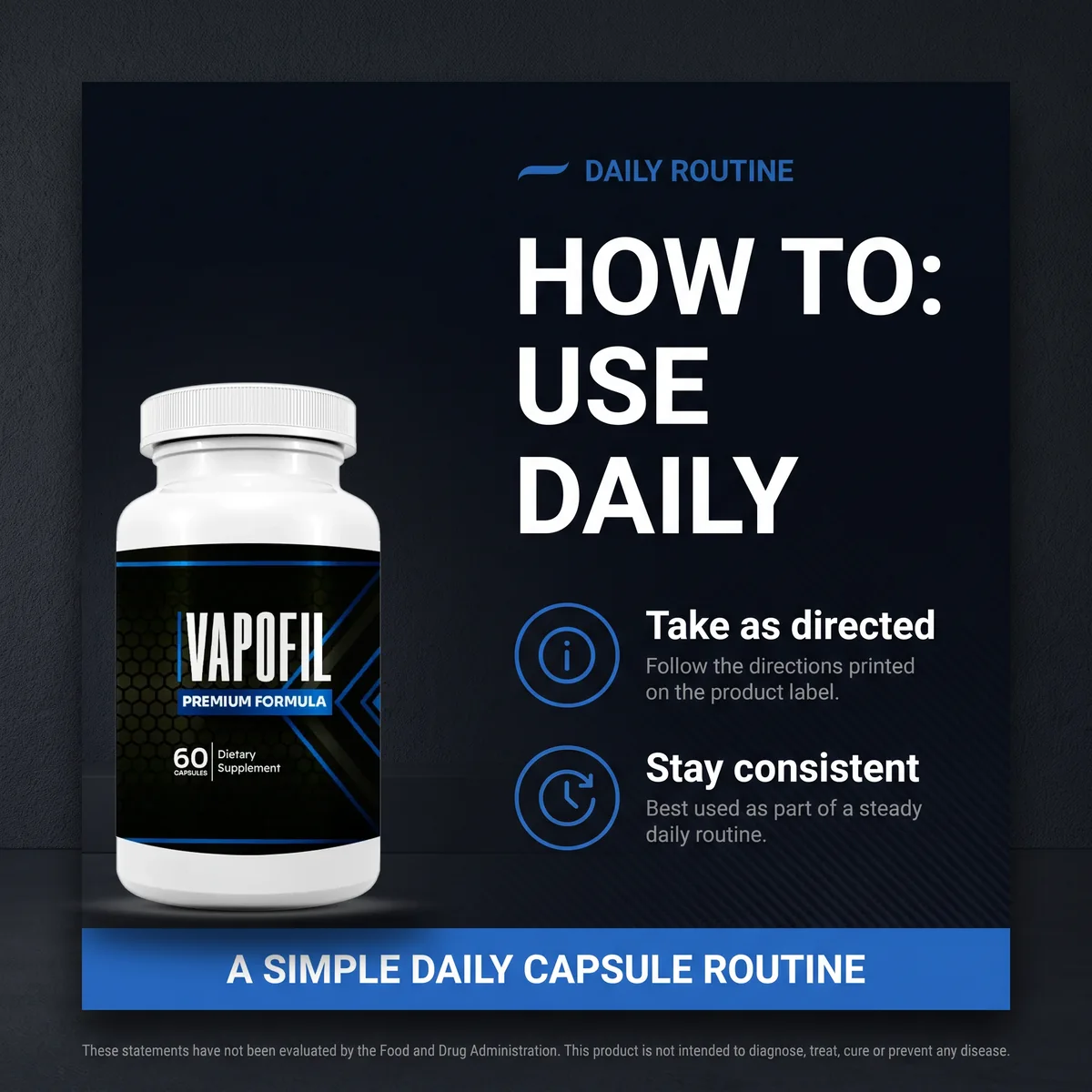
This is also why consistency beats intensity. Taking your capsule at the same time each day, without gaps, gives the routine the steady footing it is designed for. Doubling up after a missed day does not “catch up” — it just risks exceeding the label.
A realistic week-by-week timeline
Everyone is different, so treat the following as a general framework rather than a promise. It reflects how people commonly approach a daily wellness routine.
Days 1–7: settling in
The first week is about building the habit. Pick a fixed daily cue — breakfast, brushing your teeth, your morning coffee — and attach the capsule to it. Do not expect to “feel” anything dramatic; the goal this week is simply not to miss a day. If a formula ever disagrees with you, that is worth noticing early.
Weeks 2–4: the routine takes hold
By the end of the first month the habit is usually locked in and you have given the ingredients a steady, uninterrupted run. Many people use this window to start paying gentle attention to how they feel day to day — without over-analysing. This is where a well-formed routine begins to feel like part of normal life.
Weeks 5–12: the fair trial
Most people consider 30 to 90 days a fair trial for a daily supplement, which is exactly why multi-bottle packs are so common — they cover the whole period without a gap. If you are going to judge whether a routine suits you, this is the window to do it in, having taken it consistently and as directed throughout. Our guide to how many bottles to buy walks through why a two- to three-month supply lines up with this timeline.
What affects how long it takes
Several everyday factors influence how you experience a routine. None of them are guarantees, but understanding them helps you set fair expectations.
Consistency
By far the biggest factor. A supplement taken five days out of seven is running a different experiment than one taken every day. Missed days effectively reset your trial.
Ingredient forms and amounts
Well-absorbed forms and sensible amounts matter. A poorly absorbed ingredient or a token pinch buried in a proprietary blend simply has less to work with — a reason we always recommend reading the label closely, as covered in our guide to how to choose a respiratory support supplement.
Your baseline and lifestyle
Sleep, hydration, diet, activity and the season all shape how you feel. A supplement is designed to complement a healthy lifestyle, not to replace one, so the rest of your routine is part of the picture.
Realistic expectations
Finally, expectations themselves matter. These are wellness products traditionally used to support everyday respiratory comfort — not treatments for any condition. Judging them against that honest standard is the fairest approach.
Give a routine a fair run
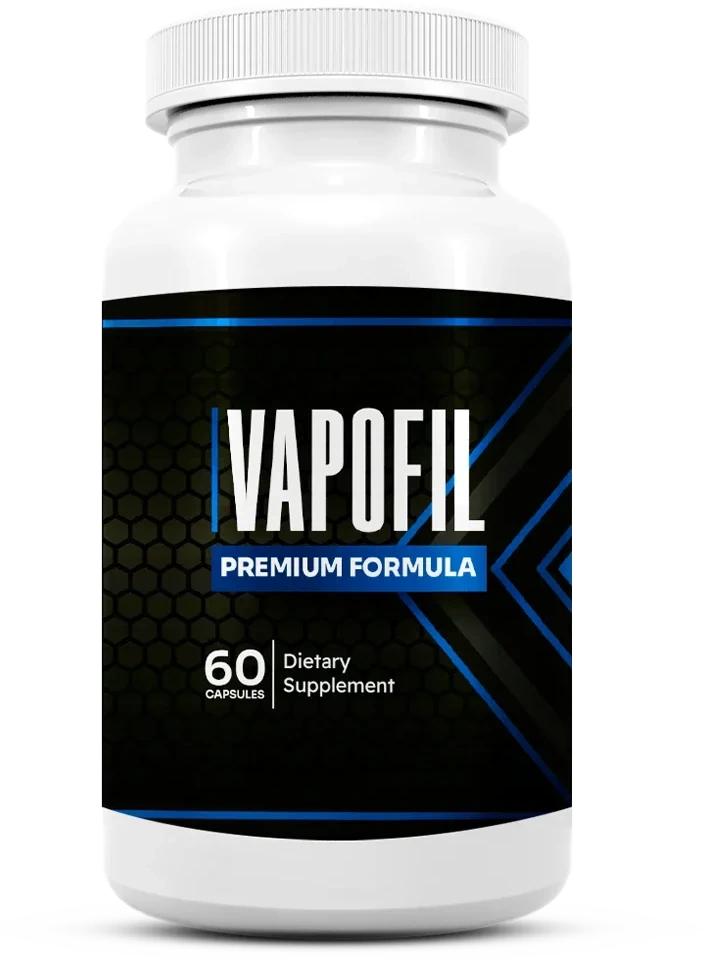
If you are going to try a daily respiratory capsule, give it the consistent 30–90 day window it is designed for. See how Vapofil is put together — a simple once-daily capsule made in an FDA-registered, GMP-certified U.S. facility and backed by a 60-day guarantee.
View Vapofil PackagesHow to judge results fairly
Because so much varies from person to person, the fairest way to judge a routine is to keep the experiment clean. Take it consistently and as directed for its suggested trial period. Change one thing at a time rather than starting three new supplements at once, so you actually know what is doing what. And keep your expectations anchored to what these products are: a daily complement to a healthy lifestyle, not a quick fix.
If, after a fair and consistent trial, a product is simply not a fit, that is what a money-back guarantee is for. Reputable brands offer one precisely so you can give a routine a proper run without risk — we explain how that works in our guide to the Vapofil money-back guarantee and refund policy.
A simple way to track your trial
You do not need an app or a spreadsheet to run a fair trial — a two-line note is enough. On the day you start, jot down the date and one or two honest, everyday markers you care about: how you feel during your morning walk, how clear your breathing feels after a workout, how you sleep, or simply your general sense of everyday comfort. Then revisit that note once at the two-week mark and again at the end of the window. The point is not to obsess or to check in every hour; it is to give yourself an honest before-and-after rather than relying on memory, which tends to flatter whichever answer you were hoping for. Keeping the note short also stops you from over-analysing day-to-day noise, which is the fastest way to talk yourself out of a routine before it has had a fair run.
Why quitting early is the most common mistake
By far the most frequent reason people conclude “it didn’t work” is that they stopped before a fair trial was finished — often within the first week or two, when a daily supplement was never designed to have shown its hand yet. If you would not judge a new exercise habit after three sessions, it makes little sense to judge a daily wellness routine after three capsules. Decide up front how long your trial will run, buy enough to cover it, and hold that line. That single decision — made before you start, when you are thinking clearly rather than impatiently — does more for a fair assessment than any other tactic in this guide.

The bottom line
How long does a respiratory support supplement take to work? Think in weeks, not doses. Give a daily routine a consistent 30- to 90-day trial, keep the experiment clean, and judge it against the honest standard of a wellness product rather than a medicine. Buy enough to finish the trial without a gap, take it as directed, and let the routine build. You can review how Vapofil approaches a simple daily routine on the Vapofil homepage, and time-of-day questions are covered in our guide to the best time to take a respiratory support supplement.
Explore Vapofil Packages & Pricing →
FAQ
How long does a respiratory support supplement take to work?
Most daily respiratory support supplements are designed to be taken consistently over weeks, not to act in a single dose. Many people give a new routine a fair trial of about 30 to 90 days, because botanicals, antioxidants and vitamins are traditionally used to build up steadily. Individual experiences vary, and this is general information rather than a promise of any specific result.
Should I feel something on the first day?
Not necessarily. A daily supplement is not a fast-acting medicine, and expecting a first-day change can set you up to quit too early. It is more realistic to look for gradual, cumulative changes over several weeks of consistent use as part of a healthy lifestyle.
Why do supplement labels suggest a 2 to 3 month supply?
Because ingredients are traditionally used steadily over time, many brands suggest a two- to three-month run so you can judge the routine fairly. That is also why multi-bottle packs are common — they cover a full trial period without a gap.
What makes a supplement seem to work faster or slower?
Consistency is the biggest factor — missed days reset your trial. Ingredient forms and amounts, your baseline diet and lifestyle, sleep, hydration and the season can all influence how you experience a routine. Because so much varies from person to person, timelines are general guides, not guarantees.
When should I stop and reassess?
If you have taken a supplement consistently and as directed for its suggested trial period and it is not a fit, it is reasonable to reassess. A money-back guarantee, where offered, exists for exactly that situation. Always follow the label and speak to your physician with any health concerns.
References
1. National Institutes of Health, Office of Dietary Supplements — Dietary Supplement Fact Sheets. ods.od.nih.gov/factsheets
2. U.S. Food & Drug Administration — Dietary Supplements: What You Need to Know. fda.gov/food/dietary-supplements
3. Federal Trade Commission — Health Products Compliance Guidance. ftc.gov
4. U.S. National Library of Medicine, MedlinePlus — Dietary Supplements. medlineplus.gov
† These statements have not been evaluated by the FDA. This product is not intended to diagnose, treat, cure or prevent any disease. This article is for general information only and is not medical advice.