Cordyceps vs Reishi for Lung & Breathing Support: How the Two Mushrooms Compare
| Cordyceps | A functional mushroom traditionally linked with stamina, energy and healthy oxygen use — popular with active people. |
| Reishi | A functional mushroom traditionally linked with calm, a balanced stress response and everyday immune support. |
| Verdict | Two different mushrooms with different traditional roles — frequently blended rather than picked one-over-the-other. |
Functional mushrooms have moved from health-food shelves into mainstream wellness routines, and two names dominate the conversation around breathing and vitality: cordyceps and reishi. If you are weighing cordyceps vs reishi for lung support, this guide lays out what each mushroom actually is, the traditions behind them, how they differ, why so many blends include both, and how to decide which matters for your daily routine. As always, this is general information about traditional and dietary-supplement use, not medical advice.
What is cordyceps?
Cordyceps is a genus of fungi with a long history in traditional Asian wellness practice. In modern supplements it is usually offered as Cordyceps militaris or a cultivated cordyceps extract (the classic wild Cordyceps sinensis is rare and costly). Its traditional reputation is built around stamina, energy and healthy oxygen use — which is precisely why cordyceps became a favourite of athletes, hikers and anyone interested in the endurance and breathing side of wellness. People tend to reach for cordyceps when their interest is everyday vitality and an active lifestyle rather than relaxation.
On the label, quality cordyceps is often described by its fruiting-body source and sometimes a cordycepin or beta-glucan figure. Those details separate a serious extract from a token pinch of mushroom powder.
What is reishi?
Reishi (Ganoderma lucidum), sometimes called the “mushroom of immortality” in traditional texts, points in a different direction. Its long-standing reputation is for calm, a balanced stress response and everyday immune support — the reason it turns up in evening blends, adaptogen stacks and general-wellness formulas. Where cordyceps is the get-up-and-go mushroom, reishi is the settle-and-balance one. People choose reishi when they are more interested in composure and immune balance than in stamina.
As with cordyceps, the meaningful reishi labels state a fruiting-body extract and often a beta-glucan percentage — the polysaccharides many people associate with functional mushrooms. That single figure tells you far more than the milligram number alone.

Cordyceps vs reishi: the head-to-head
Here is how the two mushrooms line up across the things shoppers actually care about.
Traditional role
This is the heart of the comparison. Cordyceps leans toward stamina, energy and healthy oxygen use. Reishi leans toward calm, stress balance and immune support. Both are used in wellness contexts that touch on breathing, but they arrive from opposite ends — one energising, one settling.
Best time of day
Because of those reputations, many people take cordyceps earlier in the day (it is associated with energy) and reishi in the evening (it is associated with calm). That is a preference, not a rule, and a good starting point when you plan a routine. For a fuller discussion, see our guide on the best time to take a respiratory support supplement.
Quality markers
For both mushrooms, the marks of a serious product are the same: a fruiting-body extract rather than mycelium-on-grain, a stated beta-glucan percentage, and a clearly named amount — never a nameless proprietary blend. If those details are missing, that is a reason to keep looking, a point we make in our broader guide to how to choose a respiratory support supplement.
Who each tends to suit
Cordyceps tends to suit active people focused on endurance and everyday get-up-and-go. Reishi tends to suit people focused on composure, winding down and immune balance. Neither is “stronger” — they simply answer different goals.
Prefer a done-for-you daily routine?
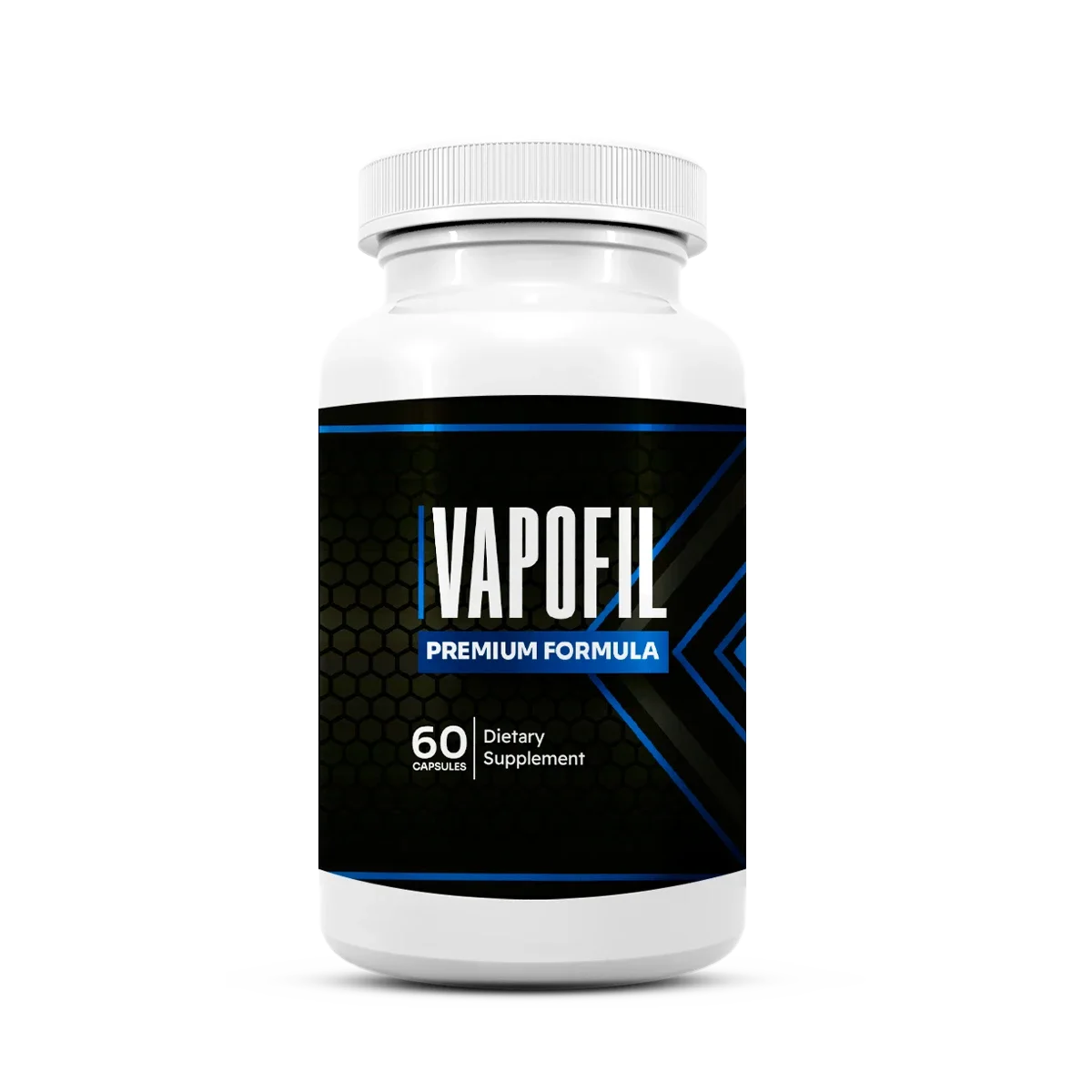
Comparing single mushrooms is useful — but many people simply want one transparent, once-daily capsule they can stick with. See how Vapofil is put together, made in an FDA-registered, GMP-certified U.S. facility and backed by a 60-day guarantee.
View Vapofil PackagesDo you have to choose? Why blends often use both
Here is the part that surprises people: cordyceps vs reishi is often a false choice. Because the two are used for complementary reasons — stamina on one side, calm on the other — many functional-mushroom and wellness blends simply include both, sometimes alongside botanicals, antioxidants or vitamins. The logic mirrors the way thoughtful formulas pair complementary ingredients rather than betting everything on one hero, a philosophy we describe in our rundown of the best ingredients to look for in a lung and breathing support supplement.
If you are building a routine ingredient by ingredient, you might well take both mushrooms at different times of day. If you would rather not manage a shelf of single-ingredient bottles, a well-designed multi-ingredient capsule can cover the ground in one step.
Sensible dosing and safety considerations
Whichever way you lean, a few principles apply. Follow the label and do not exceed the recommended amount. Give any new routine a fair, consistent run rather than judging it after a day or two — functional mushrooms are traditionally used steadily over time. Because reishi and other mushrooms may interact with certain medications (including blood thinners and immune-related drugs), talk to your physician before starting if you take prescription drugs, are pregnant or nursing, are under 18, or manage a health condition. These are dietary-supplement ingredients traditionally used to complement a healthy lifestyle — they are not a treatment for any disease, and they do not replace medical care.
Reading the amounts on the label
Comparing mushroom products is refreshingly simple once you know what to look for: confirm it is a fruiting-body extract, look for a stated beta-glucan percentage, and make sure the amount is named rather than buried in a blend. A smaller amount of a well-characterised fruiting-body extract can be more useful than a bigger number of vague mushroom powder. Honest labels make these numbers easy to find — and if a product hides them, that alone is enough reason to move on to one that respects your ability to compare.
So which should you pick?
Boil it down to your goal. If your interest is stamina, energy and the active-lifestyle side of breathing wellness, cordyceps is the classic pick. If you care more about calm, composure and immune balance, reishi is the natural choice. And if you want both bases covered with the least fuss, look for a transparent formula that includes them (or the broader set of category ingredients) in sensible amounts, and commit to taking it consistently. Whatever you choose, buy based on the actual label, not the headline — and if you are also weighing single-ingredient bottles against an all-in-one, our NAC vs quercetin comparison talks through the same trade-off. You can review how Vapofil approaches a simple daily routine on the Vapofil homepage.
Explore Vapofil Packages & Pricing →
FAQ
What is the difference between cordyceps and reishi?
Cordyceps is a functional mushroom traditionally associated with stamina, energy and healthy oxygen use, which is why it is popular with active people and in breathing-support contexts. Reishi is traditionally linked with calm, a balanced stress response and everyday immune support. Both are mushrooms used in traditional practice, but their reputations point in different directions.
Can you take cordyceps and reishi together?
They are different mushrooms and are commonly combined in functional-mushroom or wellness blends because they are used for complementary reasons — cordyceps for stamina and reishi for calm. As with any combination, follow the label, do not exceed the recommended amount, and check with your physician if you take medication or have a health condition.
Which mushroom is better for breathing support, cordyceps or reishi?
Neither is universally better. Cordyceps is more often chosen for stamina, energy and healthy oxygen use, while reishi is chosen for calm and everyday immune balance. Many blends include both, and the useful comparison is which traditional role matches your goal.
What does “fruiting body” mean on a mushroom label?
It refers to the actual mushroom rather than the mycelium grown on grain. Fruiting-body extracts and a stated beta-glucan percentage are signs of a more transparent, higher-quality mushroom product, so they are worth looking for when comparing labels.
Does Vapofil contain cordyceps or reishi?
This article compares cordyceps and reishi as ingredients in the wellness and breathing-support category generally. For the exact contents of Vapofil, read the full Supplement Facts panel on the product page and always buy based on the actual label rather than an assumption.
References
1. National Institutes of Health, Office of Dietary Supplements — Dietary Supplement Fact Sheets. ods.od.nih.gov/factsheets
2. U.S. National Library of Medicine, PubMed — research on cordyceps. pubmed.ncbi.nlm.nih.gov
3. U.S. National Library of Medicine, PubMed — research on Ganoderma lucidum (reishi). pubmed.ncbi.nlm.nih.gov
4. U.S. Food & Drug Administration — Dietary Supplements: What You Need to Know. fda.gov/food/dietary-supplements
† These statements have not been evaluated by the FDA. This product is not intended to diagnose, treat, cure or prevent any disease. This article is for general information only and is not medical advice.