Mullein vs Marshmallow Root for Respiratory Support: How the Two Herbs Compare
| Mullein | A leaf-and-flower herb (Verbascum thapsus) traditionally used for the airways and comfortable, clear breathing. |
| Marshmallow root | A mucilage-rich root (Althaea officinalis) traditionally used to soothe the throat and mucous membranes. |
| Verdict | Different plants, different traditional comfort roles — commonly used together, not either/or. |
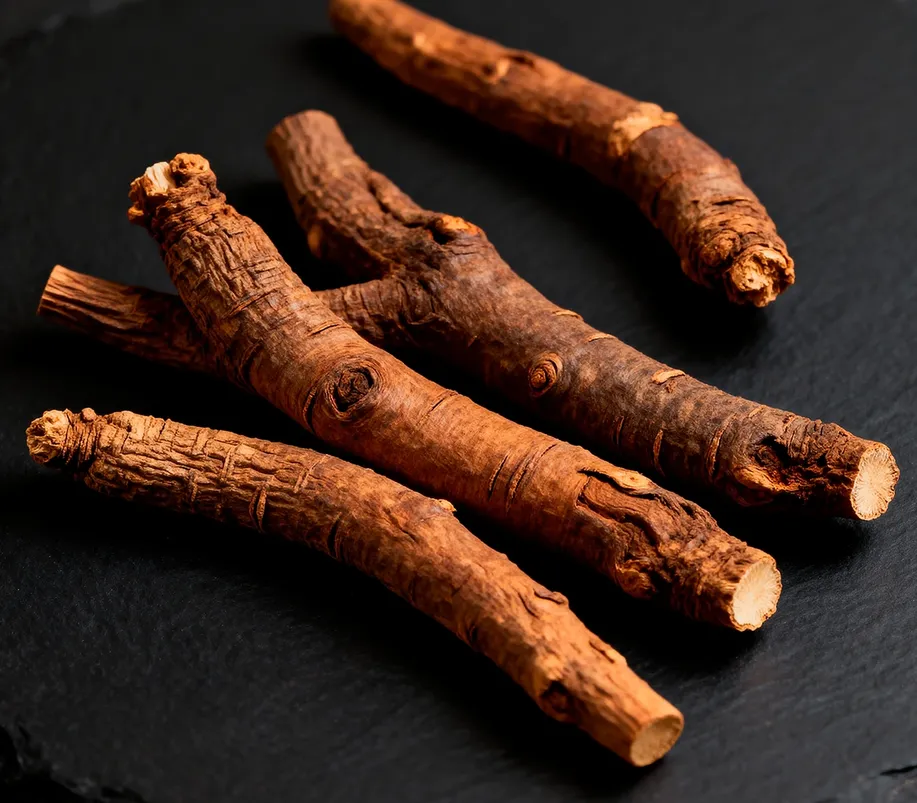
Two herbs come up again and again when people explore traditional, plant-based breathing support: mullein and marshmallow root. They sound similar in spirit — both gentle, both time-honoured — so shoppers often ask which one they actually need. This guide answers the mullein vs marshmallow root question in plain English: what each plant is, how they genuinely differ, why herbal blends so often pair them, and how to decide what matters for a daily respiratory-wellness routine. Everything here describes traditional or general use of these botanicals as part of a healthy lifestyle — it is not medical advice, and neither herb is a treatment for any condition.
What is mullein?
Mullein (Verbascum thapsus) is a tall, soft-leaved plant with bright yellow flowers, and it is one of the most enduring names in Western folk herbalism for the airways. Traditionally, the leaves and flowers are the parts used — brewed as a tea, taken as an extract, or included in respiratory blends. Its reputation is tied to supporting a feeling of open, comfortable breathing and to the general upkeep of the respiratory tract as part of everyday wellness.
People tend to reach for mullein when their interest is the airway side of things — the classic “lungs and breathing” herb. Because it is a leaf-and-flower botanical rather than a single isolated compound, quality comes down to the extract and how honestly the amount is stated, a theme we return to below.
What is marshmallow root?
Marshmallow root (Althaea officinalis — the plant the old confection was originally named after) is prized for one standout quality: mucilage. Mucilage is a soft, gel-like soluble fibre the root releases in water, and it is the reason marshmallow root has been used for centuries to soothe the throat and mucous membranes. Where mullein is the airway herb, marshmallow root is the soothing herb — a demulcent, in the traditional vocabulary, meaning something that coats and comforts.
People reach for marshmallow root when comfort of the throat and membranes is the priority, especially during dry conditions or seasonal dryness. That gel-like quality is also why traditional guidance suggests taking it a little apart from medicines — more on that under safety.
Mullein vs marshmallow root: the head-to-head
Here is how the two herbs line up across the things people actually weigh up.
Part of the plant used
Mullein is a leaf-and-flower herb; marshmallow is a root. That is not trivia — the part used drives the active constituents and therefore the traditional role each one plays.
Traditional role
Mullein leans toward the airway and clear-breathing side of respiratory wellness. Marshmallow root leans toward the soothe-and-comfort side, thanks to its mucilage. There is a shared “respiratory comfort” overlap, but their reputations point in slightly different directions.
What does the work
In mullein, the interest is in the leaf-and-flower constituents traditionally linked with the airways. In marshmallow root, it is overwhelmingly the mucilage content — which is why the form and quality of the root extract matter so much. A marshmallow product that has lost its mucilage has lost its point.
Label simplicity
Both are herbal extracts, so both should show a clear amount and, ideally, a standardisation or plant-part note — not be buried inside a proprietary blend. If either is hidden, that is a reason to look elsewhere, a principle we cover in our guide to how to choose a respiratory support supplement.
Prefer a done-for-you daily routine?
Comparing single herbs is useful — but many people simply want one transparent, once-daily capsule they can stick with. See how Vapofil is put together, made in an FDA-registered, GMP-certified U.S. facility and backed by a 60-day guarantee.
View Vapofil PackagesDo you have to choose? Why blends use both
Here is the part that surprises people: mullein vs marshmallow root is usually a false choice. Because they are different plants used for complementary comfort reasons — one for the airways, one for soothing — traditional respiratory and throat blends frequently include both, often alongside other botanicals and antioxidants. The logic mirrors the way well-designed formulas pair complementary ingredients rather than betting everything on one hero herb, a philosophy we describe in our rundown of the best ingredients to look for in a lung and breathing support supplement.
If you are building a routine herb by herb, you might well use both. If you would rather not manage a shelf of single-herb jars and teas, a thoughtfully built multi-ingredient capsule can cover the same ground in one daily step.
Sensible use and safety considerations
Whichever way you lean, a few principles apply. Follow the label and do not exceed the recommended amount — with herbs, more is not better. Give any new routine a fair, consistent run rather than judging it after a day or two. With marshmallow root specifically, its mucilage means traditional guidance is to take it a couple of hours apart from medicines, since a gel-like fibre could in theory affect how other things are absorbed. And because botanicals can interact with certain medications and conditions, talk to your physician before starting if you take prescription drugs, are pregnant or nursing, are under 18, or manage a health condition. These are dietary-supplement herbs traditionally used to complement a healthy lifestyle — they are not a treatment for any disease and do not replace medical care.
Reading the amounts on the label
Because both are botanical extracts, comparing them across products takes a little more care than a single isolated compound. Look for the plant part (leaf/flower for mullein, root for marshmallow), the amount in milligrams, and any extract ratio or standardisation. A smaller amount of a well-made, mucilage-preserving marshmallow extract can be more useful than a bigger number of a poorly processed one; the same logic applies to a quality mullein extract. Honest labels make these details easy to find — and if a product hides them, that alone is enough reason to move to one that respects your ability to compare.
So which should you pick?
Boil it down to your goal. If your interest is the airway, clear-breathing side of respiratory wellness, mullein is the classic pick. If you care more about soothing the throat and membranes, marshmallow root — ideally in a mucilage-preserving form — is the natural choice. And if you want both bases covered with the least fuss, look for a transparent formula that includes them (or the broader set of category ingredients) in sensible amounts, and commit to taking it consistently. Whatever you choose, buy based on the actual label, not the headline — and if you are weighing single ingredients more broadly, our comparison of NAC vs quercetin is a useful companion read. You can review how Vapofil approaches a simple daily routine on the Vapofil homepage.
Explore Vapofil Packages & Pricing →
FAQ
What is the difference between mullein and marshmallow root?
Mullein (Verbascum thapsus) is a leaf-and-flower herb traditionally used in folk practice for the airways and to support comfortable, clear breathing. Marshmallow root (Althaea officinalis) is a root prized for its mucilage — a soothing, gel-like fibre traditionally used to comfort the throat and mucous membranes. One is a leaf herb, the other a mucilage-rich root, and they are used for slightly different comfort reasons.
Can you take mullein and marshmallow root together?
Yes — they are commonly combined in traditional respiratory and throat blends because their qualities are complementary. As with any combination, follow the product label, do not exceed the recommended amount, and check with your physician if you take medication, are pregnant or nursing, or manage a health condition.
Which is better for respiratory support, mullein or marshmallow root?
Neither is universally better; they are traditionally used for different comfort reasons. Mullein is the classic airway herb, while marshmallow root is the classic soothing, mucilage herb for the throat and membranes. Many formulas simply include both rather than choosing one.
Does marshmallow root affect other supplements or medicines?
Because marshmallow root is rich in mucilage, traditional guidance suggests taking it separately from medicines — spacing it a couple of hours apart — since a soothing gel-like fibre could in theory affect how other things are absorbed. When in doubt, ask your pharmacist or physician.
Does Vapofil contain mullein or marshmallow root?
This article compares mullein and marshmallow root as ingredients in the traditional respiratory-support category generally. For the exact contents of Vapofil, read the full Supplement Facts panel on the product page — always buy based on the actual label rather than an assumption.
References
1. National Institutes of Health, Office of Dietary Supplements — Dietary Supplement Fact Sheets. ods.od.nih.gov/factsheets
2. U.S. National Library of Medicine, PubMed — research on Verbascum (mullein). pubmed.ncbi.nlm.nih.gov
3. U.S. National Library of Medicine, PubMed — research on Althaea officinalis (marshmallow root). pubmed.ncbi.nlm.nih.gov
4. U.S. Food & Drug Administration — Dietary Supplements: What You Need to Know. fda.gov/food/dietary-supplements
† These statements have not been evaluated by the FDA. This product is not intended to diagnose, treat, cure or prevent any disease. This article is for general information only and is not medical advice.