Natural vs Synthetic Respiratory Support Supplements: Which Should You Choose?
| Natural | Derived from plants or foods; brings whole-source complexity, but varies batch to batch and costs more. |
| Synthetic | Made in a lab to match a natural molecule; precise, consistent and affordable dosing. |
| Verdict | Neither wins by default — the form, the amount and the transparency matter more than the label word. |

“100% natural” is one of the most persuasive phrases in the supplement aisle — and one of the most misunderstood. When you are choosing a daily breathing-support capsule, the natural vs synthetic question sounds like it should have an obvious answer, but the honest one is more interesting. This guide explains what the terms actually mean on a label, how the two approaches compare on bioavailability, purity, consistency, cost and transparency, and how to decide what matters for a daily respiratory-wellness routine. It is general information to help you shop, not medical advice.
What “natural” and “synthetic” actually mean
A natural supplement ingredient is one derived from a plant, food or other natural source — a mullein leaf extract, a whole-food vitamin C from acerola cherry, a botanical concentrate. A synthetic ingredient is manufactured in a lab to be chemically identical, or nearly identical, to a molecule found in nature — many vitamin C, vitamin D and B-vitamin forms on the market are made this way.
Here is the crucial nuance most marketing skips: for a lot of nutrients, the molecule the body uses is the same either way. Synthesised ascorbic acid and ascorbic acid extracted from fruit are the same compound. So “natural” is not automatically purer or more effective, and “synthetic” is not automatically inferior. The word on the front of the bottle tells you about the source, not necessarily about the result.
Where the two genuinely differ
The real differences are practical, and they cut in both directions.
Bioavailability and whole-source complexity
Natural, whole-source ingredients often bring along companion compounds — other plant molecules that occur alongside the headline nutrient — and for some nutrients the natural form is better absorbed. Vitamin E is the classic example where the natural form is used differently by the body than the synthetic. On the other hand, a well-chosen synthetic or standardised form can deliver a known, reliable amount every time, which is its own kind of advantage.
Consistency and purity
Plants vary. Soil, season, harvest and processing all move the numbers, so a purely natural extract can differ batch to batch unless it is standardised. Synthetic production is prized precisely because it is consistent and can reach high purity. This is why many quality formulas are pragmatic — a standardised botanical here, a precise vitamin form there — rather than dogmatically all-natural or all-synthetic.
Cost
Natural and whole-food ingredients are generally more expensive to source and concentrate; synthetic versions are usually cheaper to make at scale. That cost difference is real, but it should be weighed against the amount and quality you are actually getting, not treated as good-versus-bad.
Label transparency
This is the factor that quietly outranks the others. Whether an ingredient is natural or synthetic, you want the specific form and amount stated plainly — not hidden in a “proprietary blend.” A transparent synthetic beats a mystery natural every time, a principle we return to throughout our guide on how to choose a respiratory support supplement.
Natural vs synthetic: the head-to-head
Here is the comparison boiled down to the things shoppers actually weigh.
| Source | Natural = plant/food derived · Synthetic = lab-made to match a natural molecule. |
| Consistency | Natural varies unless standardised; synthetic is highly consistent. |
| Bioavailability | Depends on the nutrient — sometimes identical, sometimes the natural form is favoured. |
| Cost | Natural tends to cost more; synthetic tends to be cheaper. |
| What matters most | The specific form, the stated amount, and honest labelling — on either side. |
Notice how often the answer is “it depends on the nutrient.” That is the honest takeaway: this is not a battle one side wins, it is a set of trade-offs you read on a case-by-case basis from the label.
Prefer a thoughtfully balanced formula?
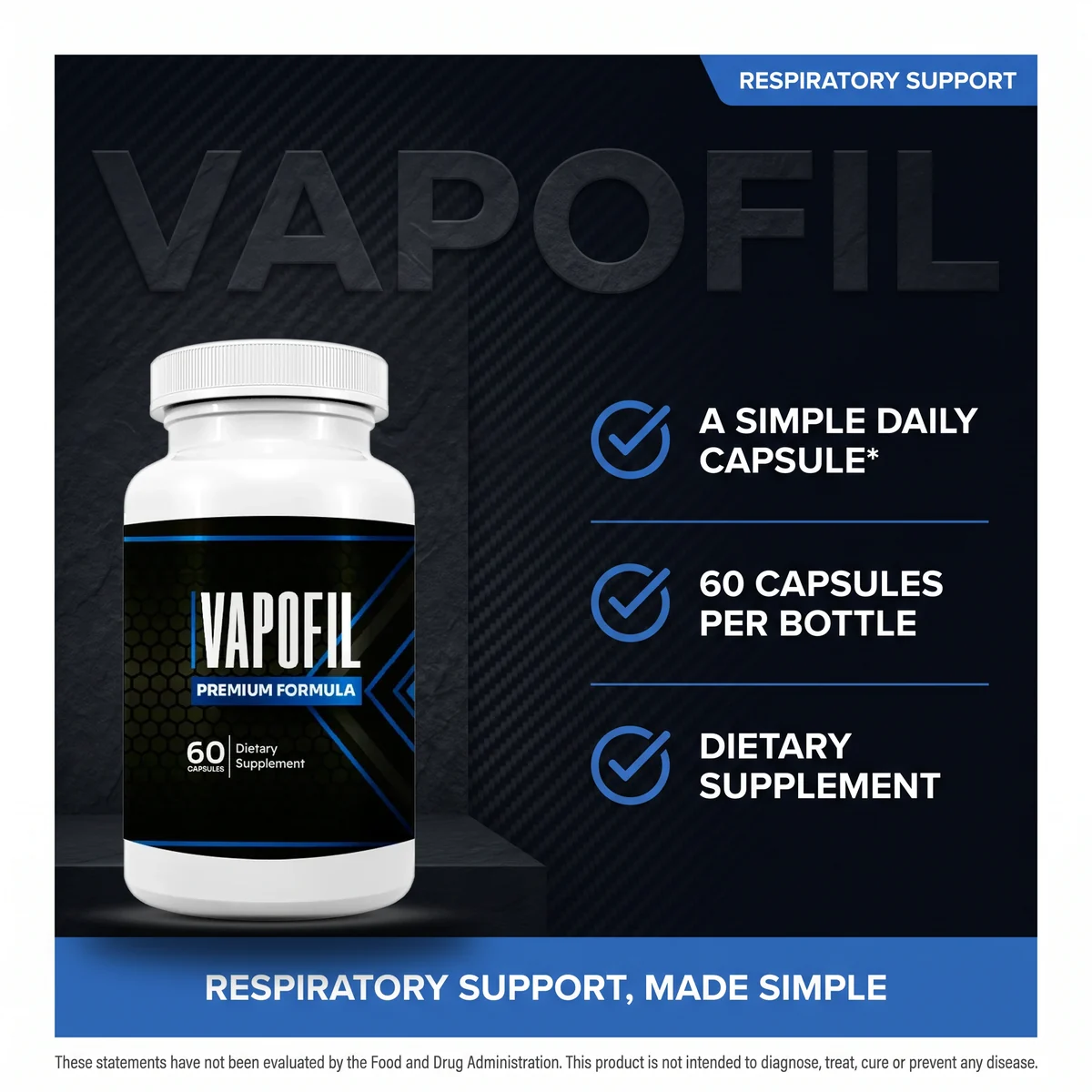
Many people do not want to agonise over every ingredient’s source — they want one transparent, sensibly built daily capsule. See how Vapofil is put together, made in an FDA-registered, GMP-certified U.S. facility and backed by a 60-day guarantee.
View Vapofil PackagesThe myth worth retiring: “natural = safe”
One idea deserves a firm correction, because it leads people astray. Natural does not mean safe, gentle, or free of interactions. Some of the most potent compounds in the world are entirely natural, and plenty of botanicals can interact with medicines or are not appropriate in certain conditions. Equally, a well-made synthetic nutrient at a sensible dose can be perfectly benign. Safety comes from the right ingredient at the right amount, used as directed — not from which side of the natural/synthetic line it sits on. Whichever you choose, follow the label, do not exceed the recommended amount, and talk to your physician before starting if you take prescription drugs, are pregnant or nursing, are under 18, or manage a health condition. These are dietary supplements traditionally used to complement a healthy lifestyle — not a treatment for any disease.
How to choose in practice
Skip the ideology and read the label like a pragmatist. First, look at the specific form of each key ingredient — a named, standardised botanical or a recognised nutrient form tells you more than the word “natural.” Second, check the amount in milligrams and make sure it is not buried in a proprietary blend. Third, weigh bioavailability for the nutrients where it matters, since the better-absorbed form — natural or synthetic — is the one that actually does something. Finally, factor in cost per day so you are comparing value, not just marketing. If you want the deeper ingredient-by-ingredient view, our guide to the best ingredients for lung and breathing support pairs perfectly with this one, and our NAC vs quercetin comparison shows how form and absorption play out for two specific ingredients.
So which should you choose?
Choose by the ingredient, not the slogan. Favour natural, whole-source forms where whole-plant complexity or a better-absorbed natural form genuinely matters, and where the source is standardised so you know what you are getting. Accept — even prefer — a synthetic or standardised form where consistency, purity and value win, and the molecule is identical anyway. Above all, favour the product that tells you exactly what is inside and how much. Buy based on the actual label, not the front-of-bottle adjective — and if you are still comparing brands, our head-to-head on Vapofil vs other respiratory-support supplements is a good next step. You can review how Vapofil approaches a simple daily routine on the Vapofil homepage.
Explore Vapofil Packages & Pricing →
FAQ
What is the difference between natural and synthetic supplements?
A natural supplement ingredient is derived from a plant, food or other natural source — a herb extract, for example. A synthetic ingredient is made in a lab to be chemically identical or near-identical to a natural molecule, such as many vitamin C or B-vitamin forms. The molecule the body uses can be the same; the difference is often source, purity, consistency and cost.
Are natural supplements better than synthetic ones?
Not automatically. Natural often means whole-plant complexity and marketing appeal, while synthetic often means precise, consistent, affordable dosing. For some nutrients the body cannot tell the difference; for others the natural form is better absorbed. What matters more than the label word is the specific form, the amount, and whether the product is transparent about both.
Is synthetic vitamin C as good as natural vitamin C?
The ascorbic acid molecule is the same whether it is synthesised or extracted, and the body uses it the same way. Whole-food vitamin C also brings other plant compounds along with it, which some people prefer. Neither is universally superior — the useful questions are the amount and the overall quality of the product.
Does natural mean safer or free of side effects?
No. Natural does not automatically mean safe, gentle or interaction-free — plenty of natural compounds are potent and can interact with medicines. Whether an ingredient is natural or synthetic, follow the label, do not exceed the recommended amount, and check with your physician if you take medication or have a health condition.
Is Vapofil natural or synthetic?
This article explains the natural-versus-synthetic distinction across the respiratory-support category generally. For exactly which forms Vapofil uses, read the full Supplement Facts panel on the product page — always buy based on the actual label rather than an assumption.
References
1. National Institutes of Health, Office of Dietary Supplements — Dietary Supplement Fact Sheets. ods.od.nih.gov/factsheets
2. U.S. Food & Drug Administration — Dietary Supplements: What You Need to Know. fda.gov/food/dietary-supplements
3. U.S. Federal Trade Commission — Health Products Compliance Guidance (advertising claims). ftc.gov/business-guidance
4. U.S. National Library of Medicine, PubMed — research on nutrient bioavailability. pubmed.ncbi.nlm.nih.gov
† These statements have not been evaluated by the FDA. This product is not intended to diagnose, treat, cure or prevent any disease. This article is for general information only and is not medical advice.