Respiratory Support Supplements: Your Questions Answered
| What it is | A dietary supplement (a food, not a medicine) traditionally used for everyday breathing wellness. |
| How to use | Consistently — give a daily routine a fair run of several weeks; follow the label. |
| What to buy | A transparent label, an FDA-registered & GMP-certified facility, honest wording, a real guarantee. |
Before anyone buys a respiratory support supplement, the same questions come up again and again — what is it, who is it for, does it actually do anything, how long until it works, and how do I avoid getting ripped off. This buyer’s FAQ gathers the most common respiratory support supplement questions in one place and answers them in plain English. It is general information to help you shop with confidence, not medical advice. For the deeper dives, we link out to our full buying guide and ingredient guide along the way.
The basics
What exactly is a respiratory support supplement?
It is a dietary supplement — legally a food, not a medicine — traditionally used to complement everyday breathing wellness as part of a healthy lifestyle. These products typically combine botanicals, antioxidant compounds and supportive vitamins and minerals. Crucially, a supplement is not intended to diagnose, treat, cure or prevent any disease, and it does not replace medical care. Think of it as one small, consistent habit alongside fresh air, hydration and sensible activity.
Who are they for?
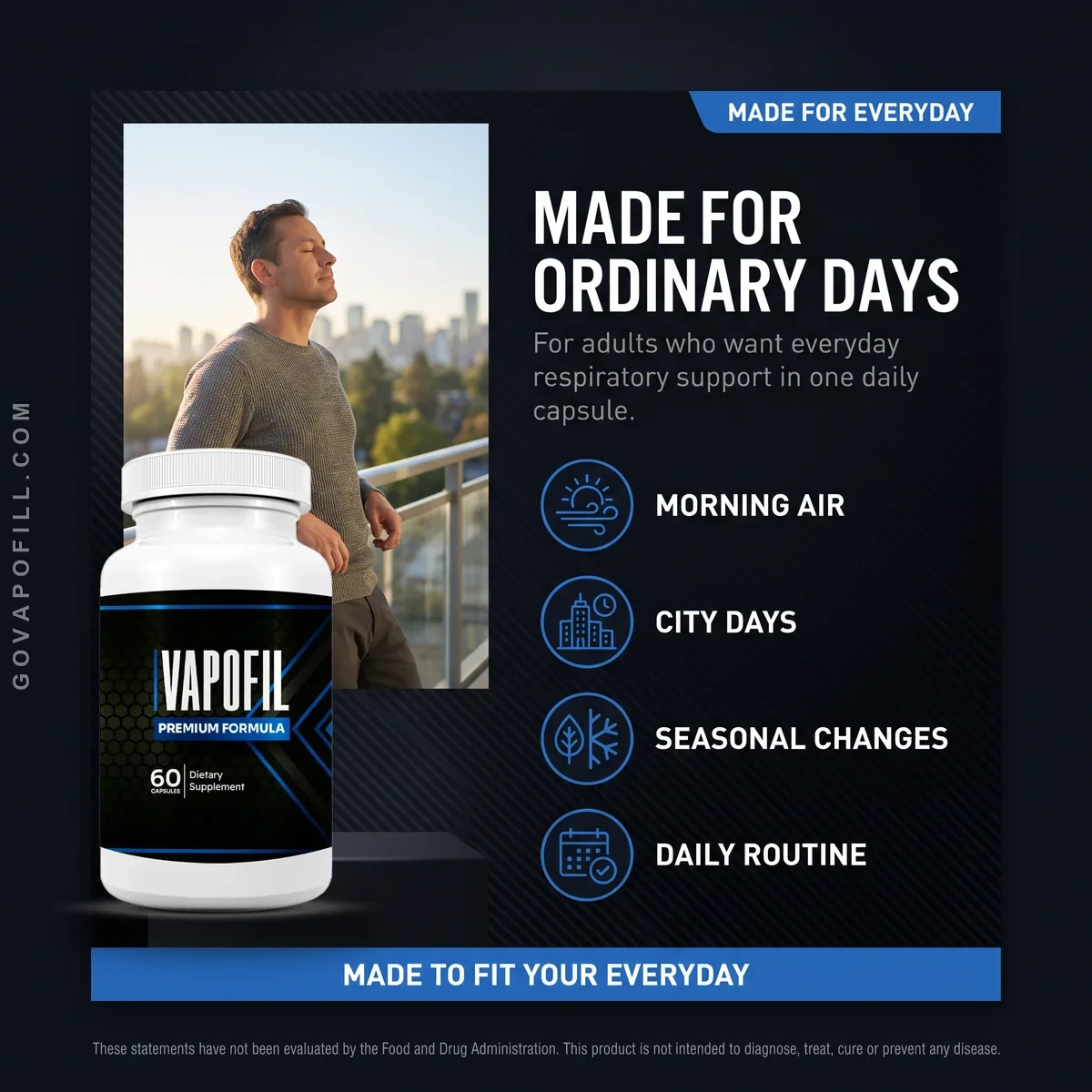
Generally, adults who want a straightforward daily habit to support everyday respiratory comfort — for the ordinary demands of morning air, busy city days, seasonal changes and dusty environments. They are not designed for children unless a product specifically says so, and anyone who is under 18, pregnant or nursing, taking medication, or managing a health condition should check with a physician before starting.
Do they really do anything?
Set expectations honestly. A quality supplement offers traditional-use ingredient support and, above all, the value of a consistent routine — it is not a switch that transforms your breathing overnight. Anyone promising that is selling hype. The realistic benefit is a simple, repeatable habit built on ingredients with a long history of traditional use.
Using it well
How long before I notice anything?
Botanicals and nutrients are traditionally used consistently over weeks, not as a one-off dose. Give any new routine a fair run — several weeks of daily use — before you judge it, and take it around the same time each day so you do not forget. Individual results vary.
When should I take it, and with food?
Follow the product’s label. Many daily capsules are taken with a full glass of water, and pairing the dose with an existing habit (breakfast, brushing your teeth) is the single best trick for consistency. If a label suggests taking it with food, do that.
What format is easiest to stick with?
For a precise, sugar-free daily routine, a once-daily capsule is usually the simplest to maintain, while syrups and lozenges suit soothing or those who cannot swallow pills. We compare all three in detail in our guide to capsules vs syrups vs lozenges for respiratory support.
Looking for a simple place to start?
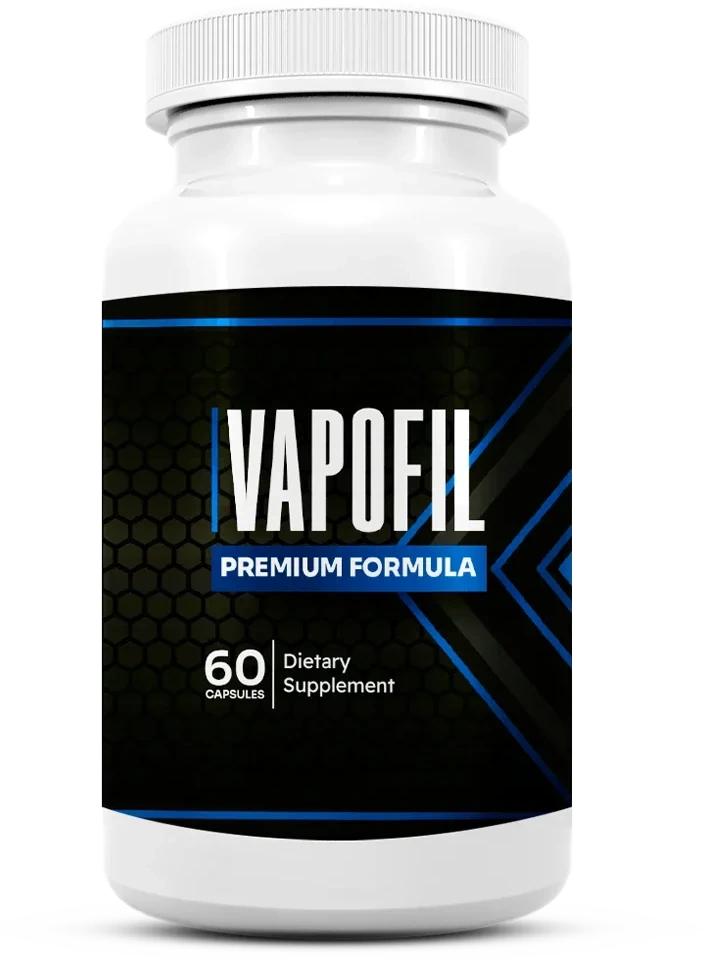
Vapofil is a transparent, once-daily respiratory-support capsule made in an FDA-registered, GMP-certified U.S. facility and backed by a 60-day money-back guarantee. See the full label and packages before you decide.
View Vapofil PackagesSafety and quality
Are respiratory support supplements safe?
The category is generally well tolerated when products are made responsibly and used as directed, but “safe” still depends on the specific product and the specific person. Choose supplements made in an FDA-registered, GMP-certified facility, follow the label, and never exceed the recommended amount. Because ingredients can interact with medications and conditions, talk to your physician first if you take prescription drugs, are pregnant or nursing, are under 18, or manage a health issue.
Can I take it alongside other supplements or medications?
Often people take a respiratory-support supplement as part of a wider routine, and many ingredients are commonly combined. That said, “natural” does not mean “no interactions” — some botanicals and nutrients can affect how medications work, or overlap with other supplements you already take (for example, doubling up on the same vitamin from two products). The safe habit is to tally everything you take, avoid unintentionally exceeding recommended amounts of any single nutrient, and run the full list past your physician or pharmacist if you are on prescription medication or managing a condition. When in doubt, one well-chosen daily product is easier to manage than a stack of overlapping bottles.
What does “FDA-registered facility” mean?
It means the manufacturing facility is registered with the FDA and subject to its manufacturing rules — it does not mean the FDA has approved or endorsed the product. Honest brands state this plainly. It is a quality signal about the factory, not a government stamp on the pills.
How do I spot an honest label?
An honest label does four things: shows every ingredient and dose (no proprietary blends), names a manufacturing standard, describes traditional or general use rather than promising to cure a disease, and carries the standard FDA disclaimer. Our full buyer’s guide turns this into a six-point checklist you can apply to any bottle.
Ingredients and value
Which ingredients should I look for?
Shoppers commonly look for traditional respiratory botanicals (mullein, thyme, ginger, elderberry), antioxidant compounds (NAC, quercetin, vitamin C) and supportive nutrients (vitamin D, zinc, selenium). What matters is that they are present at meaningful, clearly stated doses. See our breakdown of the best ingredients for lung and breathing support, and if you are weighing two popular ones, our NAC vs quercetin comparison.
How many bottles should I buy?
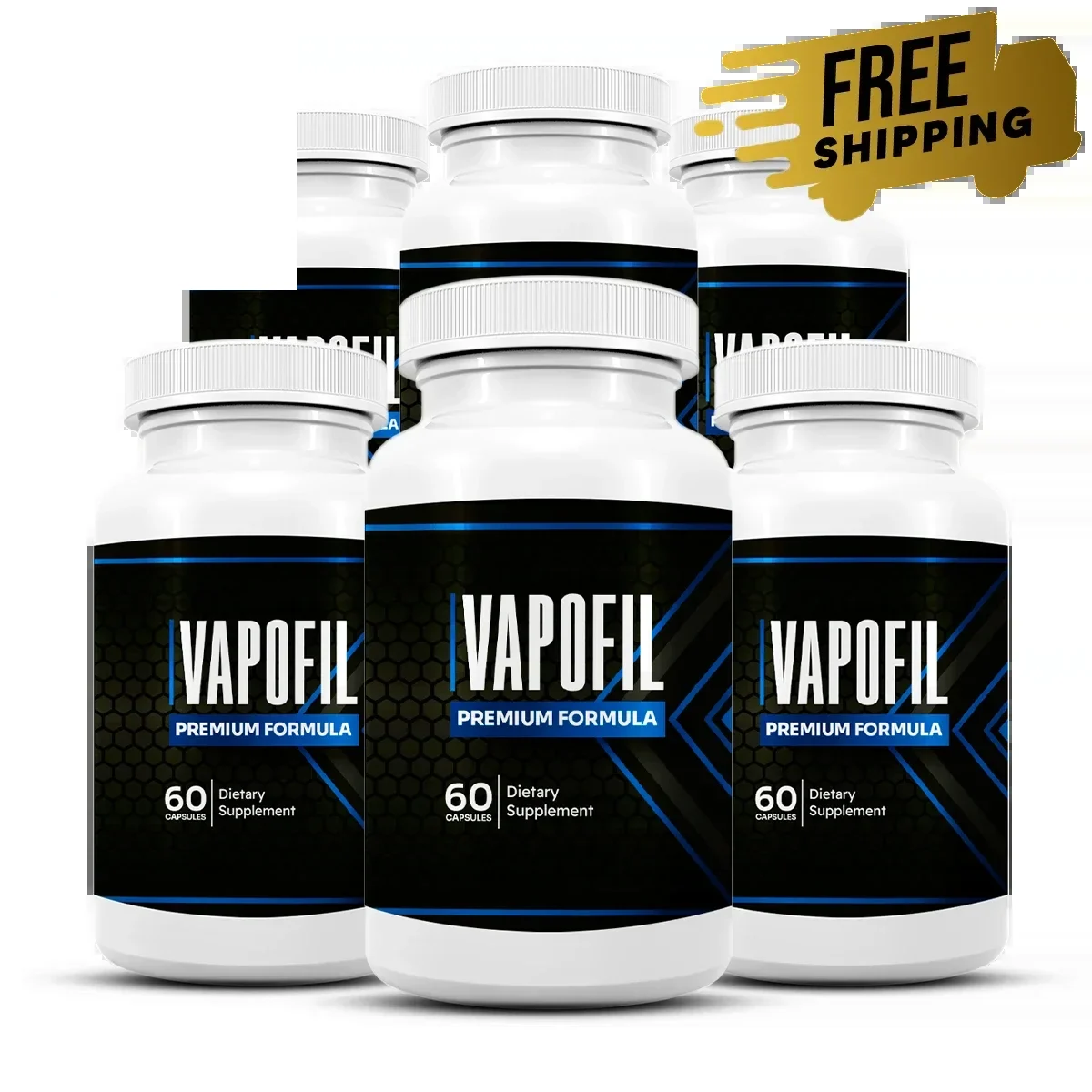
Because these products are used steadily over weeks, many people choose a multi-bottle package. It lowers the cost per day and removes the friction of re-ordering — which quietly protects your consistency. Compare cost per day, not just the sticker price, and factor in free shipping where it is offered.
Is a money-back guarantee important?
Yes. A genuine 30- to 60-day guarantee lets you try a product with little risk and signals a company that expects you to stay. Pair it with a findable address and a working contact email, and you have a seller you can trust.
Where Vapofil fits
Vapofil answers most of these questions by design: it is a transparent, once-daily capsule for everyday respiratory support, made in the USA in an FDA-registered, GMP-certified facility, sold as a one-time purchase with no subscription, and backed by a 60-day money-back guarantee. You can read the complete label and compare packages on the Vapofil homepage, then use the checklists in this FAQ to judge it against anything else you are considering.
Explore Vapofil Packages & Pricing →
FAQ
What is a respiratory support supplement?
It is a dietary supplement — a food, not a medicine — traditionally used to complement everyday breathing wellness as part of a healthy lifestyle. It is not intended to diagnose, treat, cure or prevent any disease, and it does not replace medical care.
Who are respiratory support supplements for?
Generally, adults who want a simple daily habit to support everyday respiratory comfort — for morning air, city days, seasonal changes and dusty environments. If you are under 18, pregnant or nursing, take medication or manage a health condition, check with your physician first.
How long before a respiratory support supplement works?
Botanicals and nutrients are traditionally used consistently rather than as a one-off, so give a daily routine a fair run of several weeks. Individual results vary, and a supplement complements — not replaces — healthy habits.
How many bottles should I buy?
Because these products are used steadily over weeks, many people choose a multi-bottle package: it lowers the cost per day and removes the friction of re-ordering, which helps consistency. Compare cost per day rather than the sticker price.
Are respiratory support supplements safe?
Choose products made in an FDA-registered, GMP-certified facility, follow the label, and do not exceed the recommended amount. Check with your physician before starting if you take medication, are pregnant or nursing, are under 18, or have a health condition.
How do I spot an honest respiratory supplement label?
An honest label shows every ingredient and dose (no proprietary blends), names a manufacturing standard, describes traditional or general use rather than promising to cure a disease, and carries the standard FDA disclaimer.
References
1. U.S. Food & Drug Administration — Dietary Supplements: What You Need to Know. fda.gov/food/dietary-supplements
2. National Institutes of Health, Office of Dietary Supplements — Dietary Supplement Fact Sheets. ods.od.nih.gov/factsheets
3. Federal Trade Commission — Health Products Compliance Guidance. ftc.gov (health products)
4. MedlinePlus (U.S. National Library of Medicine) — general information on dietary supplements. medlineplus.gov/dietarysupplements
† These statements have not been evaluated by the FDA. This product is not intended to diagnose, treat, cure or prevent any disease. This article is for general information only and is not medical advice.